
Applying for Government Subsidies in India: A Step-by-Step Guide
Applying for government subsidies in India can feel like trying to read a map without a legend. The schemes are plenty—PLI, ISM, various state policies—but figuring out what applies to your business often feels like decoding a foreign language. Worse, many MSMEs and startups spend weeks preparing their applications only to get rejected over small errors or missed details.
We’ve worked with hundreds of companies over the years, and one thing is clear: most subsidy applications fail not because the business is ineligible, but because the process itself overwhelms applicants. Let’s break it down, step by step, so you can avoid the most common pitfalls and secure the benefits you deserve.
Step 1: Identify the Right Scheme (Don’t Assume!)
The first mistake we see MSMEs make is assuming they’re eligible for a subsidy without verifying the fine print. Yes, the government offers hundreds of schemes, but they’re all tailored to specific sectors, regions, and project types. Knowing which scheme applies to you requires thorough research, as eligibility criteria can be surprisingly narrow.
Examples of Common Schemes:
- PLI Scheme: Targets manufacturing sectors such as electronics, food processing, and telecom. This scheme incentivizes production volume and is ideal for businesses scaling operations.
- MSIPS Scheme: Focuses on electronics manufacturing, but only for specific products like semiconductors and LED components. It is heavily documentation-driven.
- State Industrial Policies: Each state has its unique benefits. For example, Tamil Nadu’s Electronics Policy provides capital subsidies for new units, while Gujarat’s IT-ITeS Policy focuses on incentivizing technology parks and startups in specific talukas.
How to Choose the Right Scheme:
- Understand Your Business Classification: Is your business an MSME, startup, or large enterprise? Subsidy eligibility often depends on this classification. For instance, MSME-specific schemes like CGTMSE (Credit Guarantee Fund Trust for Micro and Small Enterprises) won’t be open to large-scale industries.
- Evaluate Your Project Location: Are you operating in a tier-1 city, in a backward area, or within an industrial cluster? Backward areas often receive higher incentives, such as capital subsidies, lower land costs, and tax exemptions.
- Identify Your Sector: Different sectors, such as manufacturing, R&D, or services, have different schemes. For example, a manufacturing unit may qualify for the PLI scheme, while an IT company would benefit more from state-level IT-ITeS policies.
Actionable Tip:
Make a list of all schemes relevant to your industry and geography. Read the guidelines thoroughly for each scheme and prepare an eligibility checklist to ensure you meet all criteria. If necessary, consult with a subsidy consultant or industry expert to clarify any doubts.
Step 2: Master the Documentation
Here’s the ugly truth: subsidy applications are paperwork-heavy. And the government doesn’t make it easy. Missing documents—or even submitting them in the wrong format—can get your application rejected immediately. This step often takes the most time, so it’s critical to get it right.
Key Documents to Prepare:
- Detailed Project Report (DPR): Your DPR must include:
- A clear business overview.
- Detailed financial projections, including ROI, cash flow, and break-even analysis.
- Cost and revenue estimates for at least 3–5 years.
- Environmental clearance details if applicable.
- Financial Statements: These include audited profit & loss (P&L) statements, balance sheets, and cash flow statements for previous years.
- Proof of Land and Building: This could include lease agreements, sale deeds, or allotment letters.
- Invoices and Payment Proofs: Subsidies are often reimbursement-based, so you’ll need invoices, GST details, and payment evidence for all project-related expenses.
- Bank Sanction Letters: For schemes that involve credit-linked subsidies, you must provide proof of sanctioned loans from financial institutions.
Actionable Tip:
Create a checklist of required documents based on your chosen scheme. Cross-check every item before submission to avoid common pitfalls, such as mismatched invoice dates or missing signatures.
Step 3: Understand the Timelines
Government schemes are notorious for their strict deadlines. If you miss the application window, you’re out—no exceptions. Timelines also affect disbursement, which can take much longer than you might expect.
How to Manage Timelines Effectively:
- Application Deadlines: Monitor announcements for schemes you’re targeting. Many have quarterly or annual windows for submission. Set reminders well in advance.
- Disbursement Delays: Central schemes often involve multiple rounds of scrutiny by nodal agencies and committees, taking 12–18 months for final approval and fund release. State schemes may be faster but still require patience.
- Proactive Updates: Some schemes allow you to submit an application based on planned investments and update details later. Don’t delay applying while waiting for everything to be perfect.
Actionable Tip:
Include buffer time in your project plan to account for delays in subsidy approvals. This ensures you don’t run into cash flow issues while waiting for funds.
Step 4: Don’t Ignore Post-Sanction Compliance
Here’s a hidden trap: securing the subsidy is only half the battle. Post-sanction compliance is equally critical and is often neglected by businesses. Missing compliance requirements can lead to penalties, fund withdrawal, or disqualification from future schemes.
Key Compliance Activities:
- Utilization Certificates: Prove that the subsidies are being used for the intended purpose.
- Quarterly Progress Reports: Many schemes, such as the ISM scheme for electronics, require updates on production and employment numbers.
- Tranche Disbursements: If your subsidy is released in stages, each tranche will require separate documentation and approval.
Actionable Tip:
Set up a dedicated team or hire external consultants to manage post-sanction compliance effectively. This will save you time and reduce the risk of penalties.
Common Mistakes to Avoid
- Assuming One Scheme Fits All: Just because your competitor secured a subsidy doesn’t mean you’re eligible. Eligibility criteria often vary even within the same sector.
- Overlooking State Schemes: Many businesses focus solely on central schemes and overlook state-specific policies, which can offer substantial benefits like SGST refunds or land cost rebates.
- DIY Applications: If you’re unfamiliar with government procedures, an improperly prepared application can lead to rejection. Professional assistance is worth the investment.
Decision Framework: Choosing the Right Scheme
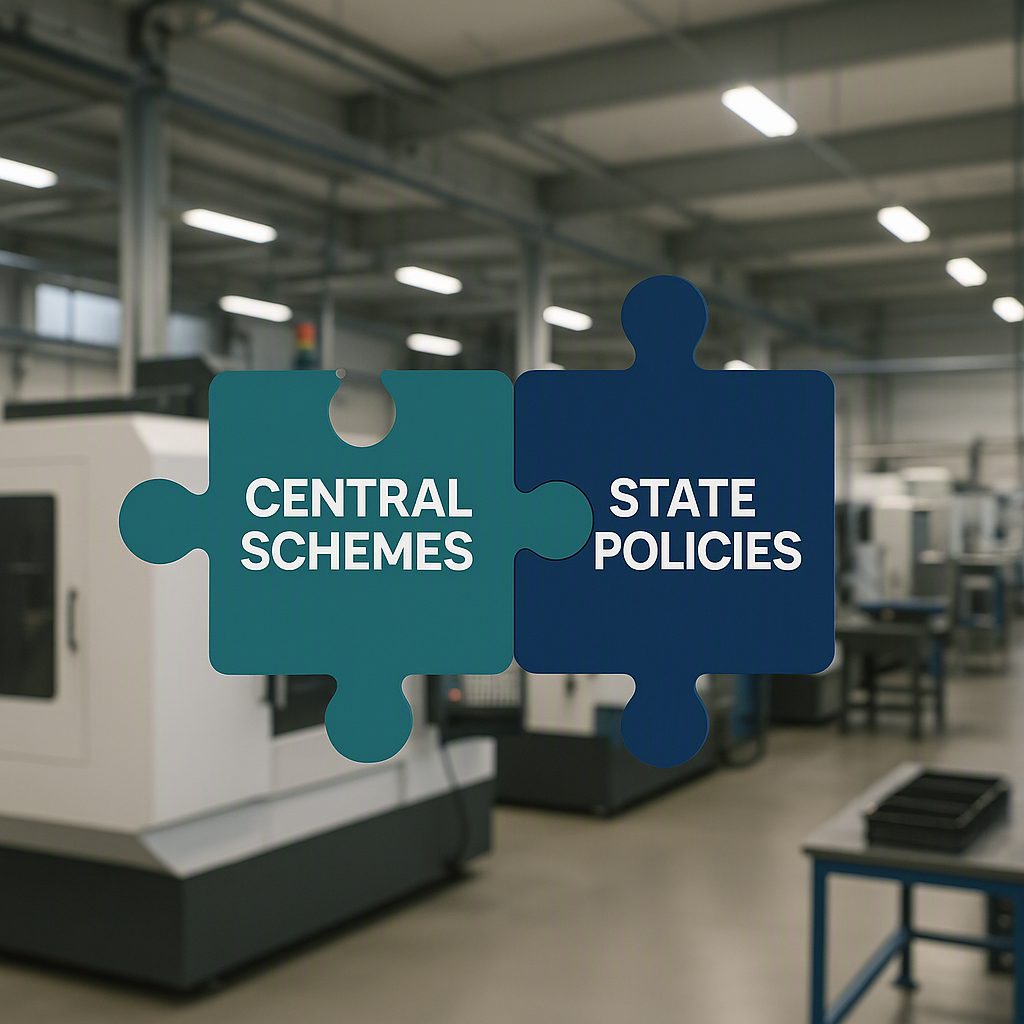
| Criteria | Central Schemes (e.g., PLI) | State Schemes |
|---|---|---|
| Focus | Sector-specific (e.g., electronics, telecom) | Regional development priorities |
| Funding Type | Often reimbursement-based | Can include upfront grants |
| Application Complexity | High | Moderate |
| Approval Timeline | 12–18 months | 6–12 months |
| Benefits | Larger financial incentives | Localized benefits (e.g., land subsidies, SGST refunds) |
If navigating government subsidies feels overwhelming, you’re not alone. That’s why we’re here. At Subsidy4India, we specialize in helping MSMEs and large industrial units identify the right schemes, prepare flawless applications, and stay compliant post-sanction. See how we can help →