I Thought Subsidies Were Straightforward. I Was Wrong.
When I first started consulting on government subsidies for MSMEs, I assumed the process was simple. You identify a scheme, fill out some forms, and the money flows in. After all, the government wants to promote manufacturing and entrepreneurship, right? Why would they make it hard?
But the reality? Subsidy schemes are a labyrinth. They’re full of rules, deadlines, and overlapping benefits that you can easily trip over. The worst part? Even capable businesses often miss out because they don’t know what they’re eligible for or where to begin.
The Wake-Up Call
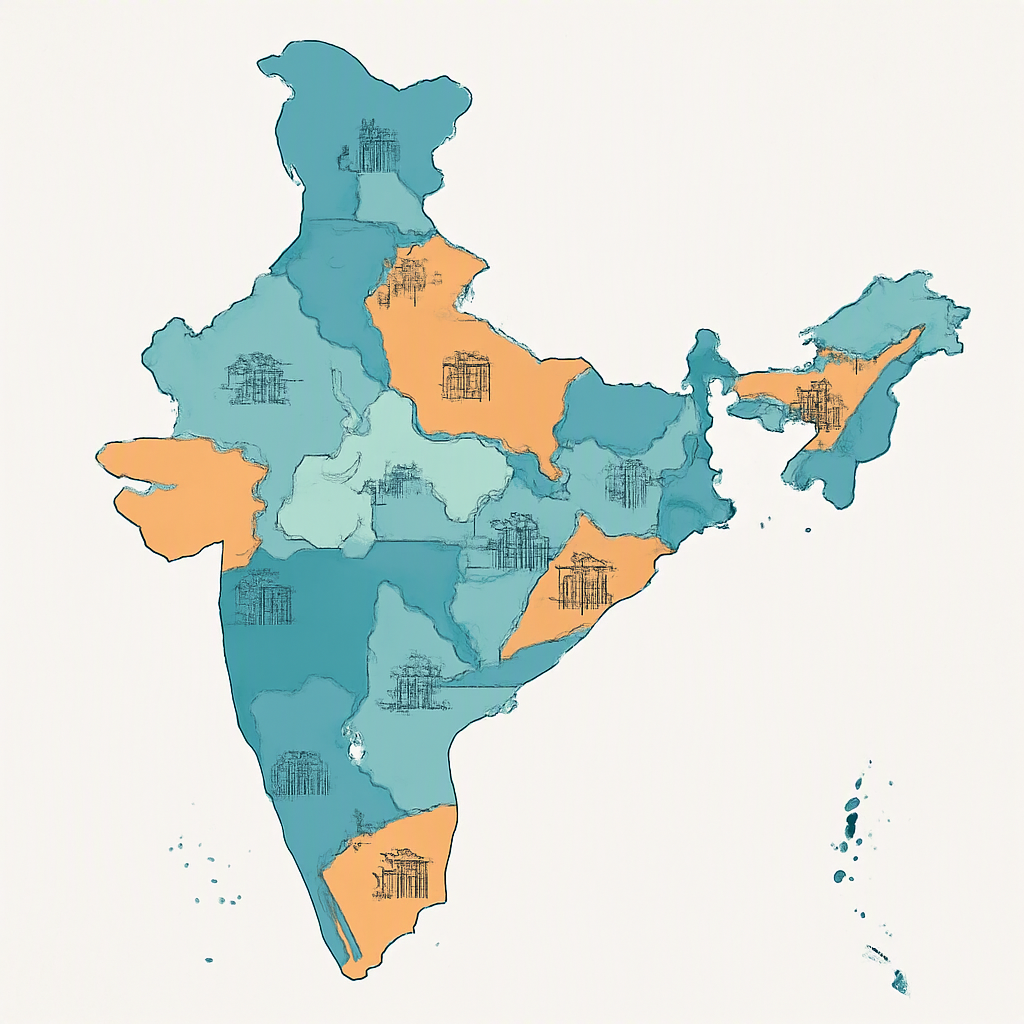
A client came to us after being rejected for a state capital subsidy. They’d spent months preparing their application, only to be told they didn’t qualify. Why? They hadn’t realized that their district wasn’t classified as a priority zone in the state’s industrial policy.
That rejection cost them time, money, and a lot of confidence. But here’s the kicker: They could have avoided the whole mess with a bit of upfront eligibility analysis. Even worse, if they’d known about other schemes they qualified for, they might have layered benefits and unlocked additional support.
This wasn’t an isolated case. It happens all the time. Why? Because navigating India’s subsidy ecosystem is ridiculously complicated.
Why It’s Easy to Get Lost
Here’s why so many MSMEs struggle:
1. Too Many Schemes
India has numerous subsidy schemes at both Central and State levels. Each scheme is designed to target specific issues, industries, and goals. For example:
- Central Schemes often focus on broader objectives like technology upgradation (e.g., Credit Linked Capital Subsidy Scheme) or export promotion (e.g., MEIS).
- State Schemes are usually tailored to regional priorities, such as incentivizing new industrial setups in backward areas or providing power subsidies for energy-intensive sectors.
To complicate things further, many schemes have overlapping objectives but different criteria, and they’re updated frequently. Without tracking these changes, businesses risk applying for outdated or irrelevant policies.
2. Eligibility Isn’t Obvious
Many schemes use eligibility criteria that aren’t intuitive. For instance:
- Location-Specific Restrictions: State subsidies often depend on where your unit is located. For example, priority zones or backward districts might receive higher incentives, while urban areas get minimal or no benefits.
- Sector-Specific Criteria: Some schemes mandate that your business operate in specific industries, like textiles, food processing, or electronics.
- Investment Thresholds: Certain policies are applicable only if your investment in plant and machinery exceeds a specified amount.
You can’t rely on guesswork. Understanding these policies requires carefully reading government notifications and amendments.
3. The Paperwork Is Brutal
Subsidies aren’t free money. They’re reimbursements against verified investments, which means strict documentation is non-negotiable. A typical submission might include:
- Invoices and payment proofs for capital purchases.
- Utilization certificates from a Chartered Accountant.
- A Detailed Project Report (DPR) with financial projections and feasibility studies.
- Loan sanction letters and bank statements.
Even a single missing or incorrect document can lead to rejection. Moreover, different schemes often require variations of the same document, adding to the confusion.
4. No One Tells You About Stacking
In many cases, you can combine Central and State subsidies to maximize benefits. For instance:
- A Central scheme might offer a 15% subsidy on technology upgradation.
- A State scheme might provide an additional 25% reimbursement for capital investment.
While this sounds great, the rules for stacking aren’t always clear. Some schemes specifically prohibit layering, while others require careful structuring to avoid conflicts.
Why My Old Beliefs Held On
I used to think that companies just needed to “try harder” or “read the guidelines.” But let’s be honest—most MSMEs don’t have the time or expertise to wade through dozens of pages of policy. They’re busy running their businesses. And even if they do read the guidelines, interpreting them is another beast entirely.
The truth is, the system isn’t designed for ease. It’s designed for compliance. Every rule, every form, every deadline exists to minimize misuse. That’s fair, but it makes the process a nightmare for honest businesses trying to claim what they’re entitled to.
What We Do Differently Now
After years of trial and error, we’ve learned to take a different approach:
1. Start with Eligibility
Before diving into any application, we map out a client’s eligibility. This isn’t guesswork—it’s a systematic process. Here’s how it works:
- Sector Analysis: Identify which industry-specific schemes apply to the client.
- Location Mapping: Check whether the business location falls under priority zones or backward areas defined by State or Central policies.
- Investment Review: Compare the client’s planned investment against minimum thresholds for various schemes.
2. Focus on Documentation
Most rejections happen because of poor paperwork. To avoid this, we:
- Create a detailed checklist for every scheme.
- Pre-validate all documents with the relevant authorities (where possible).
- Use templates to standardize common forms like DPRs and CA certificates.
3. Plan for Stacking
Combining subsidies requires strategic planning. For example:
- Ensure that application timelines for multiple schemes don’t conflict.
- Align the investment structure to meet the requirements of both Central and State policies.
4. Monitor Deadlines
Subsidy applications often follow fixed windows. To ensure our clients don’t miss out, we:
- Maintain a centralized calendar of scheme deadlines.
- Set up automated reminders for key dates like application submissions and document resubmissions.
Comparison Table: Central vs. State Subsidies
| Aspect | Central Subsidies | State Subsidies |
|---|---|---|
| Focus | National development priorities (e.g., export promotion, tech upgradation). | Regional economic development (e.g., backward area incentives). |
| Eligibility | Broad sectors and industries. | Often location-specific. |
| Benefits | Standardized across the country. | Varied based on the state’s industrial policy. |
| Complexity of Process | Moderate to high. | High due to additional regional criteria. |
| Stacking Options | Can often combine with state subsidies. | Can sometimes combine with central schemes. |
Common Questions About MSME Subsidies
1. Can I apply for multiple subsidies at once?
Yes, in many cases, you can. Central and State schemes often focus on different aspects, like capital investment vs. operational costs. However, you’ll need to carefully plan your applications to ensure compliance and avoid conflicts between the schemes.
2. What’s a DPR, and do I need one?
A Detailed Project Report (DPR) is a comprehensive document that outlines your project’s details, costs, and expected benefits. Many schemes, especially capital-intensive ones, require a DPR as part of the application process. Preparing one involves consulting with experts to ensure your project’s financials and feasibility align with the scheme criteria.
3. How long does it take to get a subsidy?
It varies. The time required depends on the specific scheme and the efficiency of the processing authority. Some schemes may disburse funds within a few months, while others can take over a year. Delays are often due to incomplete documentation or high demand.
4. What happens if my application is rejected?
If your application is rejected, you’ll usually be informed of the reasons. Common causes include incomplete documentation, ineligibility, or missing deadlines. In most cases, you can reapply by addressing the issues identified.
5. Can startups also apply for subsidies?
Yes, many subsidy schemes are designed to support startups, especially in innovation-driven sectors like technology and renewable energy. However, startups often face additional scrutiny, so it’s crucial to have a strong business plan and financial projections.
Final Thoughts
If you’re an MSME in India, subsidies can be a game-changer—but only if you can navigate the system. The key is to start by understanding your eligibility, get your paperwork in order, and explore how you might stack benefits. And if this all feels overwhelming, you’re not alone.
Need help figuring it all out? Subsidy4India specializes in making sense of the madness. Get in touch to see how we can simplify the process for you.