MSME Subsidies in India: What You’ve Been Told vs. The Reality
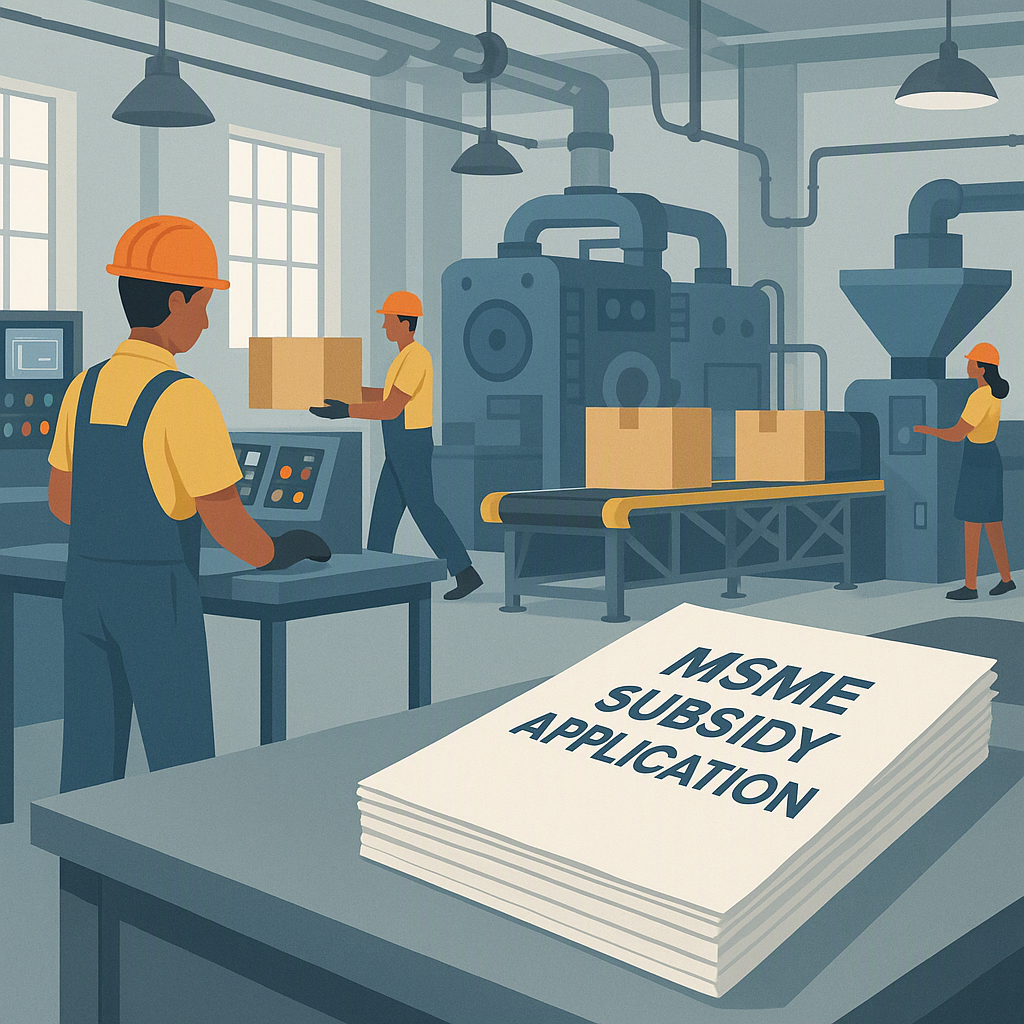
If you’re running an MSME in India, you’ve probably heard about government subsidies. They sound great, don’t they? Free money to help your business grow. That’s how it’s often pitched. But let me be blunt: MSME subsidies are not free money. They’re reimbursements, tied to specific investments, and they come with strings attached.
And here’s the kicker — a huge percentage of eligible businesses never see a rupee. Why? Because they either don’t know what they’re eligible for, or they mess up the application process. It’s not your fault; the system is complex, and the rules keep changing. But it does mean you’re leaving money on the table. Let’s fix that.
The Basics: What You Need to Know About MSME Subsidies
First, understand what a subsidy is. It’s not a handout. It’s money you earn back after meeting very specific conditions. For MSMEs, subsidies usually cover:
- Capital investment: A percentage of the cost of land, building, plant, or machinery.
- Interest subvention: Partial repayment of the interest on loans you take for your business.
- Other incentives: Support for activities like quality certification, R&D, or export promotion.
For example, let’s say you’re setting up a manufacturing unit in a backward district of Maharashtra. You might qualify for a capital subsidy under the state’s industrial policy and additional benefits under a Central scheme like the PLI (Production Linked Incentive). But here’s the catch: you need to spend first, document everything, and then apply for reimbursement.
This means you must have working capital or access to financing upfront. Without that, even a 25% subsidy on a ₹1 crore investment becomes meaningless.
The Problem: Why Most MSMEs Fail to Claim Subsidies
1. You Don’t Know What You’re Eligible For
India has over 85 active subsidy schemes from the Centre and various states. They’re sector-specific, investment-specific, and sometimes even location-specific. For instance:
- A textile unit in Gujarat might qualify for benefits under the state’s textile policy.
- The same unit in Tamil Nadu could draw from a completely different scheme.
- Agro-processing units or renewable energy projects often receive additional incentives.
Figuring this out on your own? Near impossible unless you’re prepared to comb through pages of fine print and government notifications.
2. The Rules Are a Moving Target
Policies get updated, renamed, or replaced. For example, the Maharashtra Industrial Policy 2019 was replaced by the Maharashtra Industrial and Investment Promotion Scheme (MIIPS) 2025. Similarly, the Central PLI scheme now covers additional sectors like drones and advanced batteries, but older sectors may have different rules.
If you’re not tracking these changes, you might miss an opportunity or apply for an outdated scheme. Outdated applications are rejected outright.
3. The Application Process is a Maze
Ever tried navigating a government portal? Then you know what I mean. Subsidy applications require:
- Detailed Project Reports (DPRs) with technical and financial projections.
- Proof of land or building ownership.
- Loan sanction letters from banks.
- Tax clearance certificates.
- Vendor invoices and receipts.
Miss one detail, and your application could be rejected or delayed indefinitely. Some portals also have poor user interfaces, leading to frequent errors in submission.
4. Timing is Everything
Many schemes have fixed application windows. If you miss the deadline, you’re out of luck. For example, subsidies under the PLI scheme require detailed milestone-based applications that adhere to strict timelines. Even submitting one day late could disqualify you.
5. Post-Sanction Compliance is a Headache
Even if you get the subsidy approved, you’ll need to meet ongoing compliance requirements. That means submitting utilization certificates, progress reports, and repayment proofs. For some schemes, like the Credit Linked Capital Subsidy Scheme (CLCSS), non-compliance can lead to clawback of the subsidy.
The Solution: A Smarter Way to Navigate Subsidies
So, how do you make sure your business gets what it’s eligible for? Here’s what we’ve learned from years of helping MSMEs and large enterprises secure government funding.
Step 1: Start with an Eligibility Assessment
Before you even think about applying, do a thorough eligibility check. Ask these questions:
- What schemes are available for my industry?
- Does my business location qualify for any special incentives?
- Are there new schemes or updates I should know about?
- What is my investment size, and which schemes align with it?
If this sounds overwhelming, it’s because it is. Many businesses rely on consultants who specialize in subsidy mapping and compliance.
Step 2: Combine and Stack Schemes
Here’s a lesser-known fact: you can often combine benefits from a Central scheme and your State’s industrial policy. For example:
| Scenario | Central Scheme | State Scheme | Total Benefit |
|---|---|---|---|
| Manufacturing in Gujarat (₹5 Cr) | PLI Scheme (5%) | Gujarat Industrial Policy (25%) | ₹1.5 Cr |
| Agro-processing in Uttar Pradesh | PM Kisan Sampada (35%) | UP Agro Policy (10%) | ₹2.25 Cr |
| IT/ITES unit in Karnataka | MeitY Scheme (20%) | Karnataka IT Policy (25%) | ₹2.25 Cr |
You must, however, ensure there’s no duplication of costs claimed under each scheme. This requires careful planning and documentation.
Step 3: Prepare a Rock-Solid Application
This is where most subsidy applications fail. A good application isn’t just about filling out forms; it’s about presenting a watertight case. Here’s what you need:
- A well-researched, data-backed Detailed Project Report.
- Clear financial projections that align with scheme requirements.
- Supporting documents like purchase invoices, loan sanction letters, and tax filings.
- Compliance with all eligibility conditions.
Step 4: Monitor Deadlines Like a Hawk
Applications are time-sensitive. Create a calendar with all relevant deadlines for:
- Scheme registrations.
- Application windows.
- Progress reports and disbursement claims.
Assign someone in your team to track this or hire external experts to do it for you.
Step 5: Plan for Post-Sanction Compliance
Getting the subsidy approved is just the beginning. Post-sanction tasks include:
- Submitting utilization certificates.
- Claiming reimbursements in tranches.
- Filing progress reports.
Non-compliance can lead to penalties or disqualification from future benefits.
Final Thoughts
Securing an MSME subsidy in India is not impossible, but it’s not easy either. It’s a complex process that requires time, effort, and expertise. The good news? You don’t have to do it alone.
If you’re feeling overwhelmed by the subsidy landscape, that’s where Subsidy4India comes in. We specialize in helping businesses like yours navigate the intricacies of government funding. From eligibility checks to compliance management, we’ve got you covered.