Why MSMEs Miss Out on Subsidies
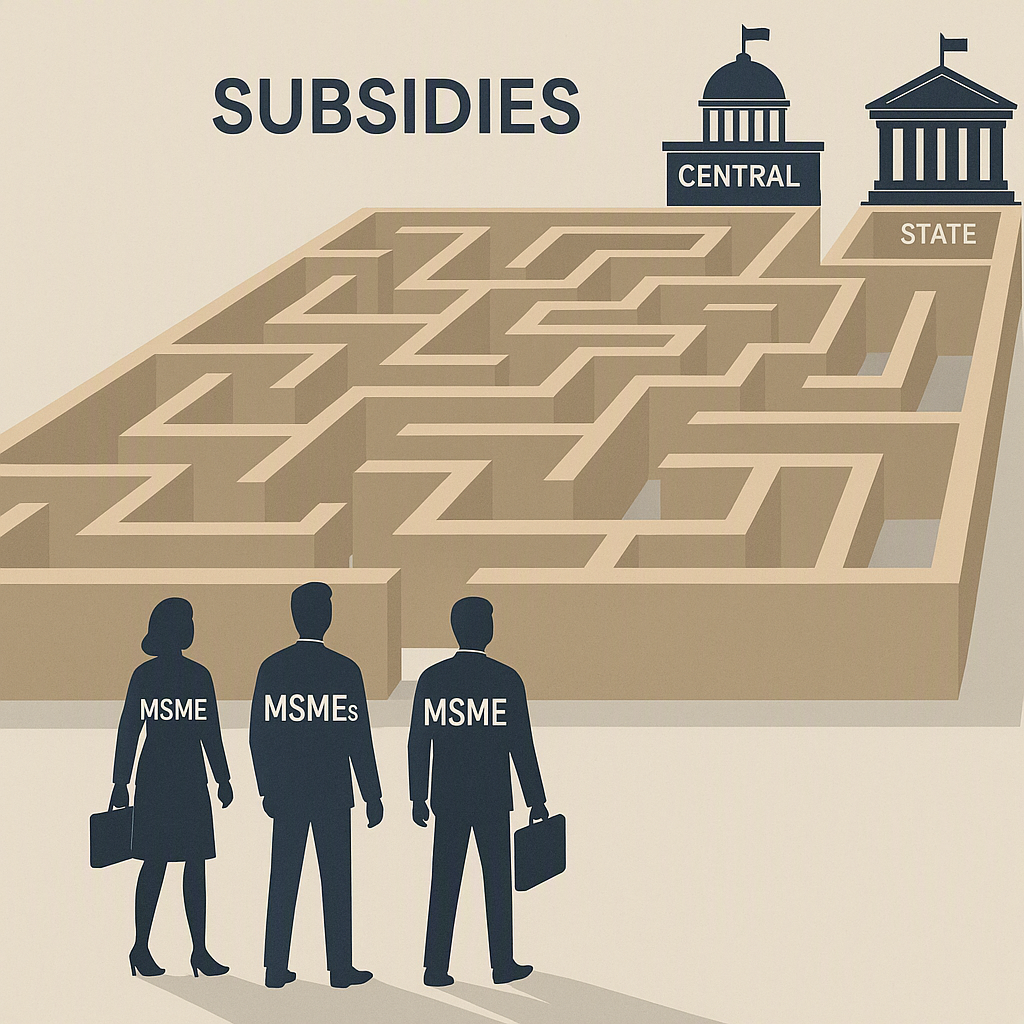
Let’s be honest: most MSMEs (Micro, Small, and Medium Enterprises) in India don’t claim the subsidies they’re eligible for. Why? It’s not because they don’t want free money (who doesn’t?). It’s because the process is messy, time-consuming, and riddled with bureaucratic hurdles. And on top of that, many don’t even know what they’re eligible for.
Take the example of Central government schemes like the Production Linked Incentive (PLI) or the Credit Linked Capital Subsidy Scheme (CLCSS). These are huge opportunities for MSMEs, yet many businesses either don’t apply or submit incomplete applications that get rejected. It’s frustrating, but it’s also fixable.
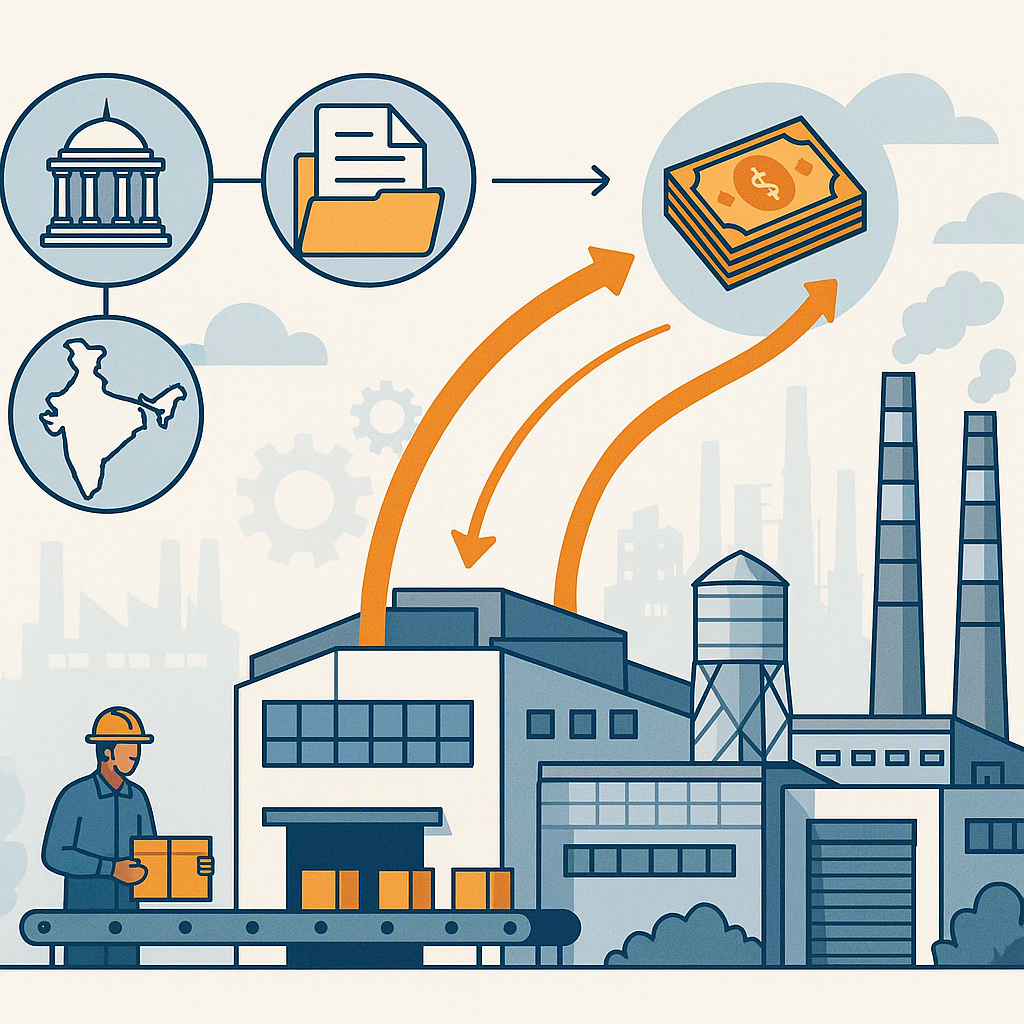
Here’s the core issue: MSME subsidies aren’t grants. They’re reimbursements tied to specific investments. If you don’t spend first, you don’t get anything. And if your paperwork isn’t bulletproof, you’ll spend months chasing approvals with nothing to show for it.
The Complexity of Eligibility
Eligibility is where most MSMEs hit a wall. For instance, state industrial policies classify areas into zones—developed, underdeveloped, backward, etc.—and your subsidy percentage depends on where your unit is located. A unit in a backward taluka might get a 30% capital subsidy, but the same unit in a developed zone might only get 10%.
However, region-based classifications are just the tip of the iceberg. Subsidy schemes often have sector-specific criteria. For example:
- A pharmaceutical manufacturing unit and a textile manufacturing unit will have different subsidy rates and caps, even if they’re located in the same area.
- Some schemes prioritize specific industries (e.g., renewable energy, food processing, or electronics) while excluding others.
Additionally, most schemes have financial caps. For instance, the CLCSS has a cap of ₹1 crore, while some state-level schemes go higher, sometimes up to ₹10 crore or more.
Actionable Steps to Understand Eligibility
- Study the Guidelines: Every subsidy scheme publishes detailed guidelines that outline eligibility. These guidelines often explain specific exclusions, priority sectors, and required documentation. Read them carefully.
- Check Zone Classification: Use your state’s industrial policy to determine your zone classification. Many states provide online tools or maps for this purpose, such as the Maharashtra Industrial Development Corporation (MIDC) portal.
- Focus on Sector-Specific Clauses: Check if your business falls into a high-priority sector, such as renewable energy, electronics, or food processing, which often receive higher benefits.
- Consult Experts: Eligibility nuances can be tricky. For example, some schemes require registration with specific departments or compliance with environmental standards. If unsure, consult a specialist or agency that deals with subsidy applications.
The Paperwork Problem
The paperwork required for subsidy applications is another major stumbling block for MSMEs. Most schemes demand extensive documentation, including but not limited to:
- Detailed Project Report (DPR): A comprehensive document covering financial projections, project feasibility, and technical details.
- Invoices and Proof of Payments: These must match the scheme requirements, including vendor details and payment modes.
- Land and Building Documents: Proof of ownership or lease agreements.
- Machinery Specifications: Detailed descriptions of machinery purchased, often including manufacturer certifications.
- Utilization Certificates (UCs): These are required after approval to claim disbursements.
Common Challenges with Paperwork
- Errors in DPR: Many MSMEs fail to include required details in their Detailed Project Reports, leading to outright rejections or prolonged delays.
- Invoice Mismatch: If the format, vendor details, or payment proof doesn’t align with the scheme’s guidelines, the application is deemed non-compliant. For instance, payments made in cash may disqualify the claim.
- Missing Deadlines: Some schemes require you to submit documents within a specific timeframe after making an investment. Missing this deadline can void your application.
How to Handle the Paperwork
- Prepare in Advance: Start gathering documents as soon as you decide to apply for a subsidy. Waiting until the last moment increases the chances of errors or omissions.
- Hire a Consultant: Professionals familiar with the process can help you prepare a DPR and ensure compliance with all guidelines. Look for consultants with a proven track record in your sector.
- Double-Check Everything: Before submission, cross-verify every document against the scheme’s checklist. Many MSMEs create a dedicated team or assign a specific individual for this purpose.
- Digitize Your Records: Keep electronic copies of all documents in case they need to be resubmitted. Many schemes now accept online applications.
Central vs. State Subsidies: Can You Stack Them?
Here’s a question we get a lot: Can you combine Central and State subsidies? The short answer is yes, but it’s complicated.
For example, if you’re setting up a manufacturing unit in Gujarat under the Gujarat Industrial Policy 2020, you could potentially claim:
- A capital subsidy under the state policy.
- An interest subvention under the Central Technology Upgradation Fund Scheme (TUFS).
However, there’s a catch. Subsidy schemes generally don’t allow coverage for the same expense under multiple programs. For instance:
- If you claim a capital subsidy for machinery under a state scheme, you cannot claim the same machinery under TUFS.
- Overlapping claims can lead to audits, delays, or even rejection of the subsidy.
Decision Framework for Combining Subsidies
| Criteria | Central Subsidy | State Subsidy |
|---|---|---|
| Primary Focus | Broad, sector-wide focus | Localized, regional focus |
| Claimable Expenses | Technology, R&D, exports | Capital investments, land |
| Caps on Benefits | Higher but restrictive | Flexible but lower |
| Ease of Application | Typically more bureaucratic | Relatively faster |
Checklist Before Stacking Subsidies
- Confirm the expenses you want to claim under each scheme.
- Consult with both state and central authorities to avoid overlap.
- Maintain separate documentation for each subsidy application.
What We’ve Seen Work
Over the years, we’ve seen some patterns emerge among MSMEs that successfully claim subsidies. Here’s what they do differently:
1. They Start Early
Most subsidy schemes have strict deadlines. For example:
- New units often need to notify the government of their intent to claim subsidies within 30 to 90 days of starting operations.
- Delays in notification can make you ineligible, even if your project otherwise qualifies.
2. They Get Expert Help
Navigating subsidy schemes isn’t something most MSMEs can do part-time. Successful applicants:
- Work with consultants or agencies familiar with subsidy guidelines.
- Use these experts to handle documentation, follow-ups, and compliance reports.
3. They Stay Organized
Businesses that maintain meticulous records of financial transactions, project timelines, and compliance certifications face fewer issues during audits or verification processes.
Common Mistakes to Avoid
Here are some of the most common mistakes MSMEs make when applying for subsidies:
- Rushing the Application: Submitting incomplete or incorrect documents is the fastest way to get rejected.
- Ignoring Compliance: Even after sanction, you need to comply with reporting requirements. Fail to submit a Utilization Certificate, and your disbursement stops.
- Misinterpreting Guidelines: Eligibility criteria can be vague, and assumptions can cost you the subsidy. Always seek clarifications from official sources.
The Bottom Line
MSME subsidies are a game-changer if you can navigate the process. But let’s not sugarcoat it—it’s a bureaucratic minefield. If you’re serious about claiming what you’re eligible for, you’ll need a clear strategy and the right expertise.
If you’re dealing with subsidy confusion, our team at Subsidy4India can help. Get started →