Top 5 Government Subsidy Schemes for Manufacturing Units in India
When I first started working in the subsidy consulting space, I thought government incentives were like free money — a reward for businesses to kickstart or expand operations. I wasn’t alone. Many manufacturers, especially MSMEs, still believe this. The truth? Subsidies are anything but free. They're not grants handed out for a good idea. They’re reimbursements — a delayed return for the money you’ve already spent or committed to spending. And if you don’t have the right guidance, you’re likely to miss out on substantial financial support.
Here’s the thing: the government wants to invest in India’s manufacturing sector, but they’re not going to throw money around recklessly. That’s why these schemes come with strict eligibility criteria, detailed paperwork, and conditions that can seem like a nightmare to navigate. But if you know where to look and how to prepare, you can unlock some serious funding.
Let’s break down the top five subsidy schemes manufacturing units in India should know about. And more importantly, let’s talk about how to actually get that money.
1. Production Linked Incentive (PLI) Scheme
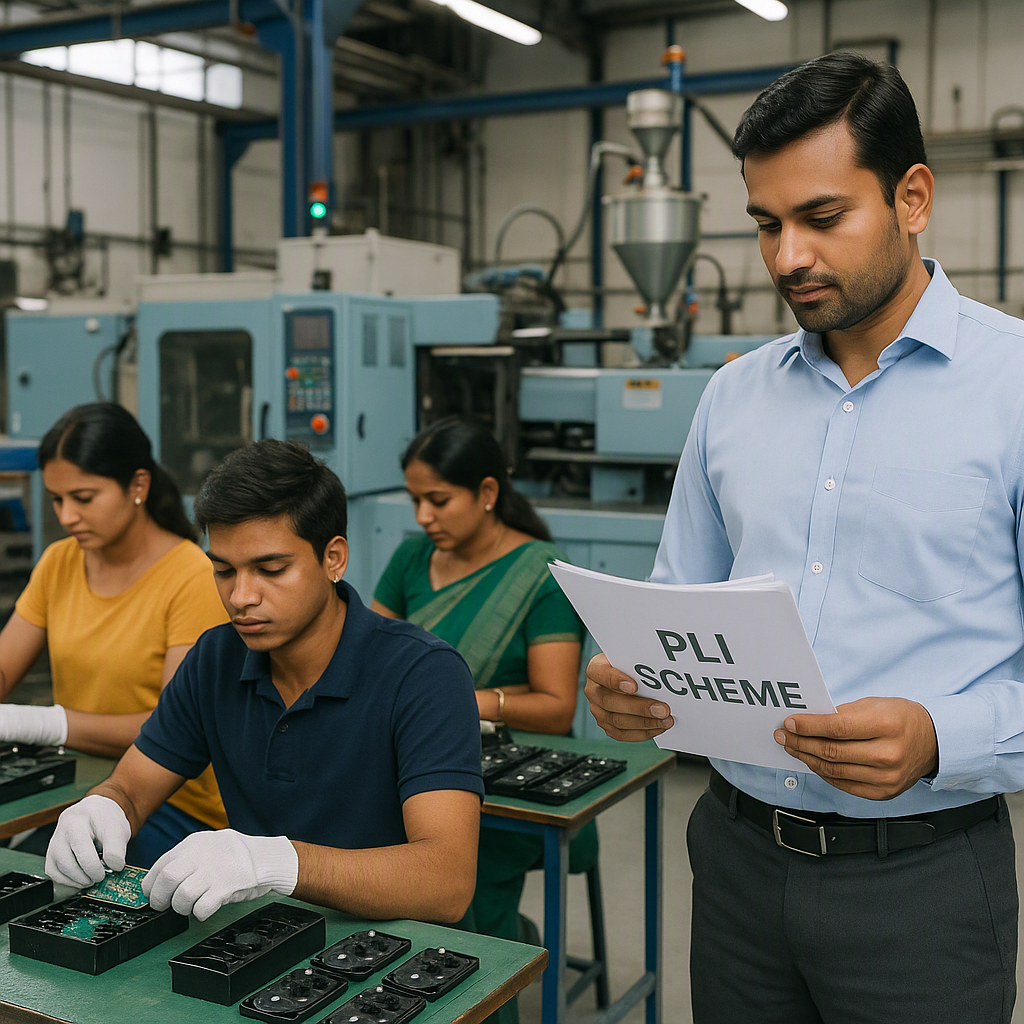
The PLI scheme has been a hot topic since its launch in March 2020. It’s designed to boost domestic manufacturing and reduce import dependence in sectors like electronics, pharmaceuticals, and textiles. The government essentially offers incentives tied to your incremental sales revenue. The more you produce and sell, the bigger your reward.
As of 2022, the Indian government allocated ₹1.97 lakh crore across 14 sectors under the PLI scheme, with electronics manufacturing alone receiving ₹40,000 crore. This underscores the potential scale of the benefits, but there’s a catch: you need to achieve a committed investment and production target to even qualify. For example, in the electronics sector, companies must invest a minimum of ₹250 crore in capital expenditure and reach specific sales thresholds to claim incentives. Without a well-thought-out plan and the right documentation, you risk falling short of eligibility.
How to Make It Work
- Conduct Feasibility Studies Early: Before even applying, plan out your production targets and investment strategy. Ensure they align with the PLI requirements. A feasibility study will help you assess the financial and operational viability.
- Set Realistic Goals: Overpromising can lead to disqualification. Make sure your production and sales estimates are achievable. It’s better to under-promise and over-deliver than the other way around.
- Understand Sector-Specific Requirements: Each industry under PLI has its own set of guidelines. For instance, electronics manufacturers may have different investment thresholds compared to pharmaceuticals. Always read the fine print.
- Maintain Proper Documentation: Maintain detailed records of your investments and sales data. You’ll need these for both the application and the disbursement phases.
2. Modified Incentive Package Scheme (M-SIPS)
Launched in 2012, the Modified Incentive Package Scheme (M-SIPS) is specifically designed for electronics manufacturers. If you’re investing in manufacturing facilities for products like semiconductors, LED lights, or consumer electronics, M-SIPS offers capital subsidies (up to 25%) for plant and machinery expenditures. By 2020, the scheme had approved over 200 applications, with a total investment commitment of ₹30,000 crore.
The application process is detailed, and you need to submit a comprehensive project report, including cost estimates, timelines, and proof of financial closure. Miss a single detail, and your application could get rejected.
How to Make It Work
- Differentiate Eligible vs. Ineligible Costs: The scheme covers costs like equipment, tools, and machinery but excludes others like land or operational expenses. Make sure your cost breakdown aligns with the guidelines.
- Seek Guidance Early: This isn’t the time for a DIY approach. Engage with consultants or experts who specialize in M-SIPS applications to avoid errors.
- Prepare a Detailed Project Report (DPR): Your DPR should include timelines, financial projections, and a breakdown of expenses. Ensure it’s thorough and error-free.
- Monitor Application Timelines: M-SIPS operates on a first-come, first-served basis, so it’s essential to submit your application promptly.
3. State Industrial Policies
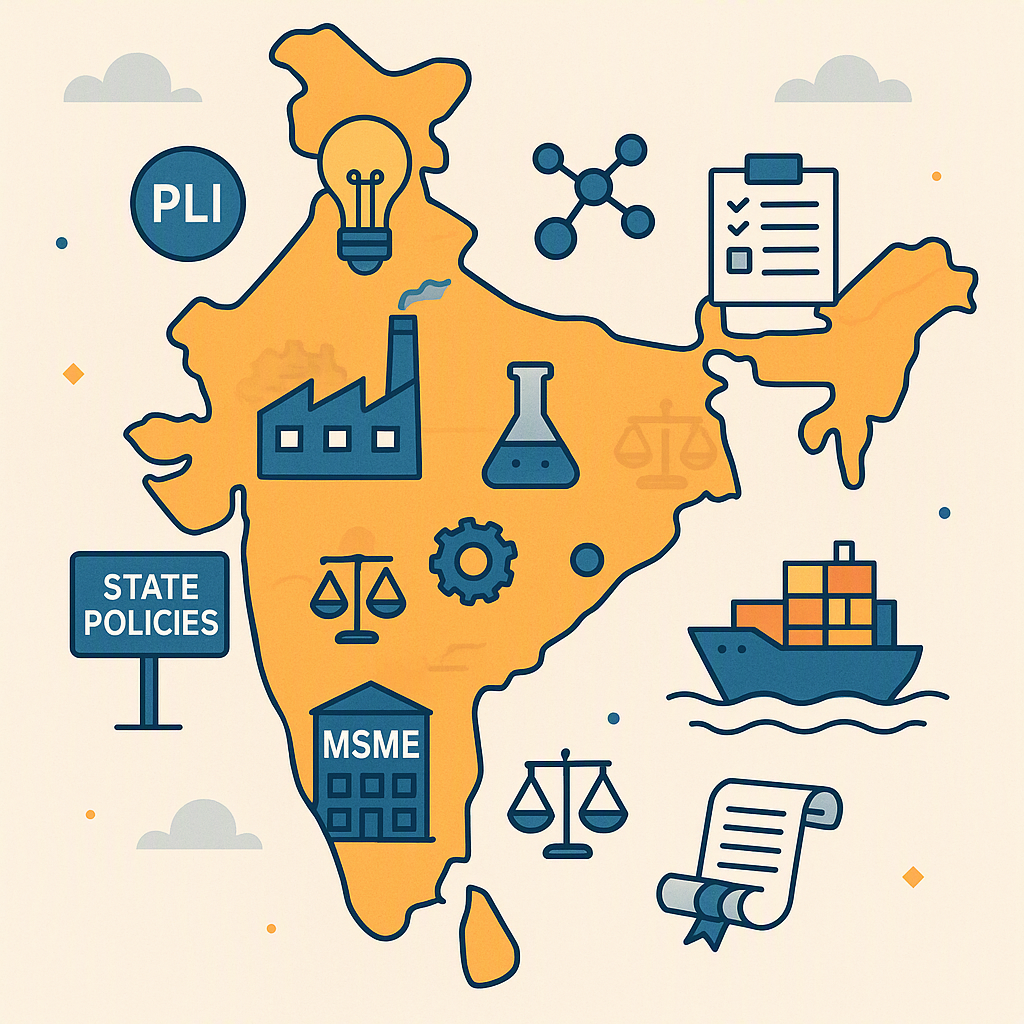
Here’s where things get really tricky. Every state has its own industrial policy, offering incentives based on the region’s development priorities. For instance, Maharashtra’s Industrial Policy 2019 offers capital and interest subsidies for units in underdeveloped regions, while Gujarat’s IT-ITeS Policy emphasizes technology and R&D incentives. The challenge? Figuring out which state to set up in, especially if you’re a multi-location player.
How to Make It Work
- Compare State Policies: Not all states offer the same benefits. Research and compare the policies of different states based on your industry, investment size, and location preferences.
- Evaluate Policy Stacking Opportunities: Some states allow you to combine their incentives with Central government schemes. For example, you could pair a state capital subsidy with the Central government’s PLI scheme for maximum benefit.
- Engage with State Agencies: Most states have dedicated industrial development authorities or investment promotion boards, such as the Maharashtra Industrial Development Corporation (MIDC). Engage with them early to understand the application process and timelines.
- Consider Long-Term Benefits: Some states may offer short-term incentives that seem lucrative but may not be sustainable. Evaluate the long-term advantages of setting up in a particular state.
4. Interest Subvention Schemes for MSMEs
For small and medium manufacturers, interest subvention can be a game-changer. These schemes offer a percentage reduction on your loan interest rate, making capital more affordable. The flagship Credit Linked Capital Subsidy Scheme (CLCSS) is one example. It provides MSMEs with a 15% capital subsidy for technology upgradation, with a maximum cap of ₹15 lakh per unit. More than 25,000 MSMEs benefited from this scheme between 2019 and 2021, according to Ministry of MSME reports.
How to Make It Work
- Verify Lender Participation: Not all financial institutions participate in subvention schemes. Confirm that your chosen lender is approved under the scheme.
- Purchase from Approved Vendors: Schemes like CLCSS require you to buy machinery only from empaneled vendors. Cross-check the vendor list before making purchases.
- Track Loan Utilization: Ensure that the loan funds are used strictly for the purposes outlined in your application. Misuse can lead to disqualification.
- Stay Updated: Interest subvention schemes often come with specific timelines and conditions. Keep track of deadlines to ensure you remain eligible.
5. Export Promotion Capital Goods (EPCG) Scheme
If your manufacturing unit exports products, the EPCG scheme, introduced by the Directorate General of Foreign Trade (DGFT), is worth exploring. It allows you to import capital goods at zero customs duty, provided you meet export obligations over a specific period. As of 2021, over ₹40,000 crore worth of duty exemptions had been granted under the scheme.
This can be a boon for businesses looking to reduce setup costs. But here’s the rub: failure to meet export obligations can land you in trouble, including hefty penalties.
How to Make It Work
- Understand Export Obligations: The scheme requires you to export goods worth six times the duty saved within six years. Ensure your business can meet this requirement.
- Maintain Accurate Records: Keep meticulous records of your imports and exports. You’ll need to provide this data to prove compliance.
- Use Compliance Software: Invest in software or hire a compliance expert to track deadlines and obligations. This will help you avoid penalties.
- Start Small: If you’re new to exporting, consider initially applying for a smaller duty exemption to ensure you can meet the associated obligations.
Why Most Companies Miss Out on These Benefits
It’s easy to see why manufacturers often miss out on subsidies:
- Lack of Awareness: Many don’t even know these schemes exist, let alone how to qualify.
- Complex Eligibility Criteria: Each scheme has its own rules, and navigating them isn’t straightforward.
- Time-Consuming Applications: The paperwork can be overwhelming, especially for MSMEs without dedicated resources.
- Missed Deadlines: With rolling deadlines and limited application windows, tracking timelines is a job in itself.
- Post-Sanction Compliance: Even after you secure a subsidy, you need to maintain compliance to avoid clawbacks or penalties.
FAQ
1. Can I claim both Central and State subsidies for the same project? Yes, in many cases you can. However, the specific rules depend on the state and the Central scheme. Some combinations are allowed, while others aren’t. Check the guidelines or work with an expert to avoid conflicts.
2. Are subsidies only for new units? No, many schemes also cover expansion or diversification projects. For instance, the PLI scheme incentivizes incremental output, which can apply to existing units expanding production capacity.
3. What happens if my application is rejected? Rejections are common, often due to incomplete documentation or non-compliance with eligibility criteria. You can reapply, but it’s better to get it right the first time to avoid delays.
4. How long does it take to receive a subsidy? Timelines vary widely. Some schemes, like interest subventions, offer quicker benefits, while others, like capital subsidies, can take years to disburse.
5. Is hiring a subsidy consultant worth it? If you’re dealing with complex schemes or large investments, absolutely. A consultant can help you navigate the rules, prepare your application, and maximize your benefits.
Decision-Making Table: Which Subsidy Scheme Fits Your Needs?
| Scheme | Ideal For | Key Benefit | Key Requirement |
|---|---|---|---|
| Production Linked Incentive (PLI) | Large-scale manufacturers in key sectors | Revenue-based incentives | Incremental production and investment targets |
| M-SIPS | Electronics manufacturers | Capital subsidy for machinery | Detailed project report and eligible expenses |
| State Industrial Policies | Location-specific manufacturers | State-specific benefits | Varies by state and industry |
| Interest Subvention Schemes | MSMEs | Reduced loan interest rates | Approved lenders and empaneled vendors |
| EPCG Scheme | Export-oriented manufacturers | Zero customs duty on imports | Export obligation within 6 years |
If you’re unsure which subsidies your manufacturing unit qualifies for, we can help. We specialize in simplifying the process and securing the maximum benefits for our clients. Get started today →