Why Duty Drawback Matters to Indian Exporters
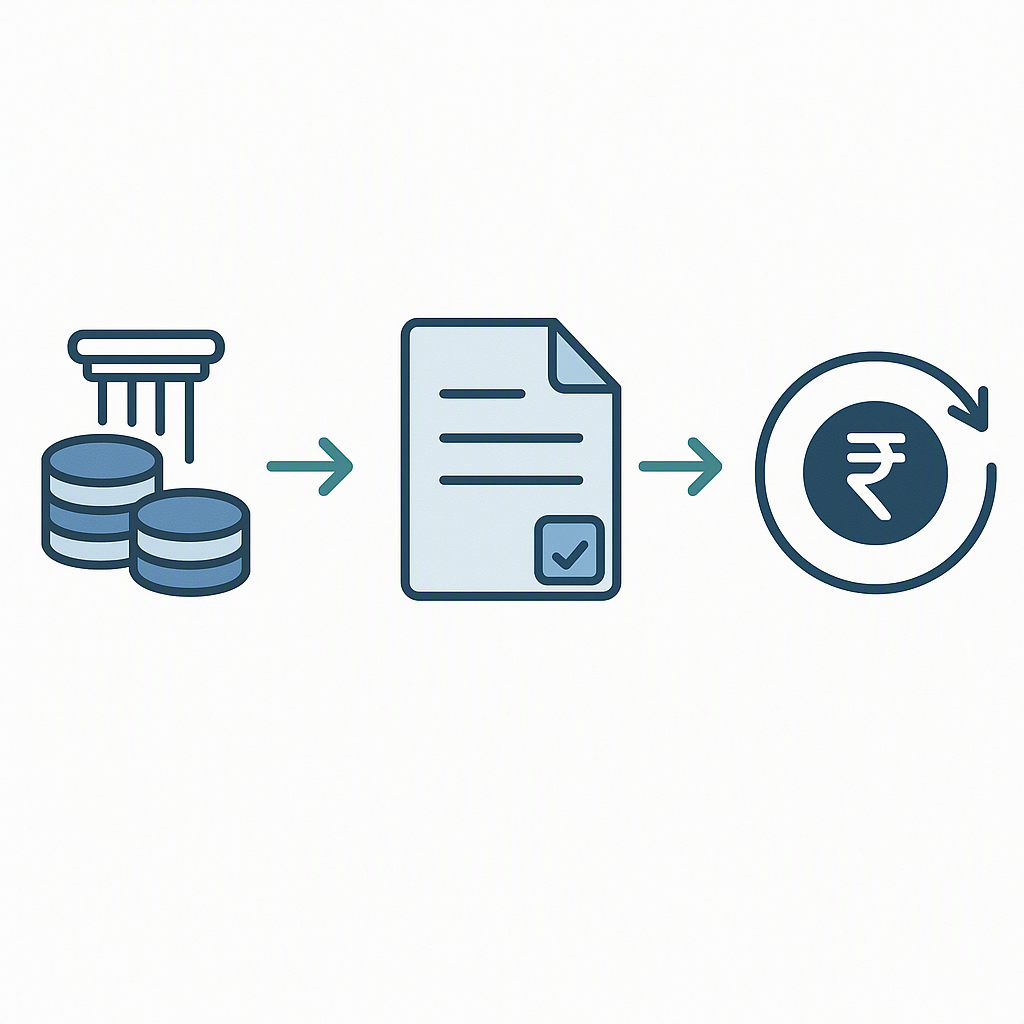
If you’re exporting goods from India, chances are you’ve heard about the Duty Drawback Scheme. It’s an export incentive that allows exporters to get a refund on the customs duty paid on imported inputs used to manufacture exported goods. The concept is straightforward, but the process can be complex and full of pitfalls.
Here’s the reality: many exporters either don’t claim it or leave money unclaimed because the process is confusing, deadlines are tight, and documentation requirements are extensive. The government won’t proactively refund your money — you need to understand the rules, follow them meticulously, and ensure your claim is filed correctly.
This article dives deeper into how the Duty Drawback Scheme works, common mistakes exporters make, actionable steps to simplify the process, and answers to FAQs.
A Practical Example: Claiming Duty Drawback
Let’s illustrate the Duty Drawback Scheme with a practical example — you’re a manufacturer of leather handbags. You import high-quality leather and brass fittings to make your products. Both attract customs duty at the time of import. You manufacture the handbags and export them to international markets.
Under the Duty Drawback Scheme, you’re entitled to a refund on the customs duty you paid for the imported leather and brass fittings. The refund amount depends on the government’s notified rates, which are updated periodically.
Here’s a step-by-step breakdown of how it works:
-
Calculate the Refund Amount
- Find the applicable drawback rate for your product category on the official government notification. Rates are typically published by the Central Board of Indirect Taxes and Customs (CBIC).
- Multiply the FOB (Free on Board) value of your exports by this rate. If the product category has a cap (maximum allowable drawback per unit), ensure your calculation does not exceed it. For example:
- FOB value per handbag: ₹1,000
- Drawback rate: 5%
- Refund amount: ₹50 per handbag
- Note that refund rates vary for different product categories. For some products, the drawback may be based on the actual duty paid, while others have an All Industry Rate (AIR) that is pre-determined.
-
Prepare Documentation
- Gather all required documents, including:
- Shipping bill
- Bill of entry for imported materials
- Export invoice
- Receipts showing payment of customs duty
- Ensure all documents are error-free and match the details of your export consignment. Even small discrepancies, such as incorrect weight or mismatched descriptions, can lead to rejection.
- Gather all required documents, including:
-
File the Claim
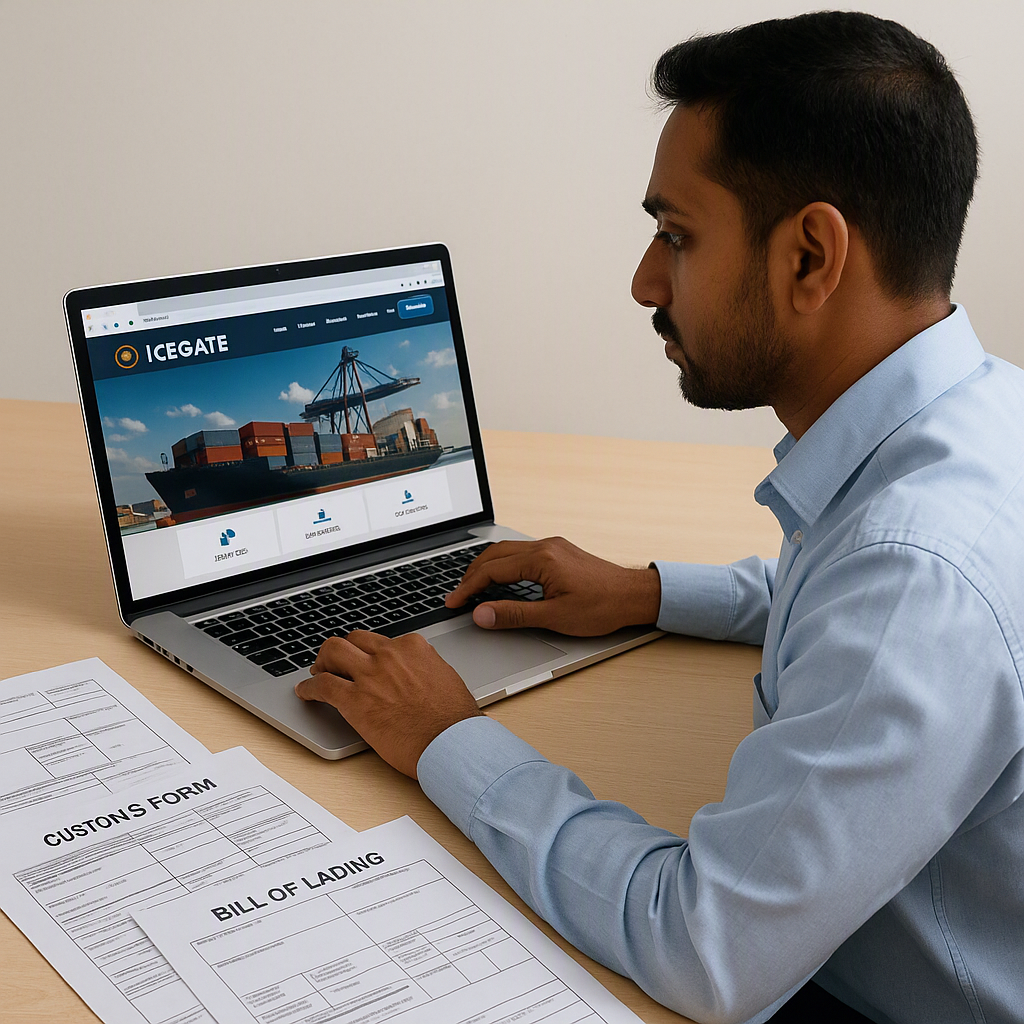
- Submit your claim electronically on the Indian Customs Electronic Data Interchange (EDI) system or file it manually at the customs office. Include all necessary documents in the prescribed format.
- Be mindful of submission deadlines, which are currently 1 year from the date of export. Extensions can be granted in some cases, but it is always better to file on time.
-
Verification and Refund Processing
- Customs authorities will verify your claim for accuracy and completeness. This may involve matching your documents with their records and ensuring compliance with the scheme’s rules.
- If approved, the refund is processed and credited to your account. Processing timelines can vary depending on the completeness of your documentation and the workload at the customs office. Delays are common, so follow up as needed.
Common Mistakes Exporters Make
Despite its financial benefits, many exporters struggle to claim their full refunds. Identifying common mistakes is key to avoiding them:
1. Missing Deadlines
Exporters frequently miss the 1-year deadline for filing Duty Drawback claims. This can happen due to poor record-keeping or delays in gathering the necessary documents.
Solution: Maintain a detailed export calendar. Immediately after shipping your goods, set reminders for submission deadlines. Use project management tools to track progress.
2. Incomplete or Incorrect Documentation
Small errors or missing documents can lead to delays or outright rejection. For instance, mismatches between the export invoice and the shipping bill can cause issues.
Solution: Double-check the following:
- Are all invoices and bills signed and stamped?
- Do the quantities and values match across documents?
- Have you included proof of customs duty payment?
3. Misunderstanding Rates
Using outdated drawback rates or confusing product classifications can result in incorrect claims.
Solution: Regularly check for updates on the CBIC website or through reliable trade associations. Cross-check the HS (Harmonized System) code for your product to ensure you’re using the correct rate.
4. Ignoring Caps
Some product categories have a maximum allowable drawback amount per unit. Ignoring these caps can lead to inflated expectations and potential rejection of claims.
Solution: Familiarize yourself with the notified caps and adjust your calculations accordingly.
5. Not Tracking Scheme Amendments
The Duty Drawback Scheme undergoes periodic changes, including modifications to rates, eligibility criteria, and documentation requirements. Missing these updates can result in errors.
Solution: Subscribe to industry newsletters or work with a consultant to stay informed.
Actionable Steps to Simplify the Process
Here’s how you can make the most of the Duty Drawback Scheme without headaches:
1. Use the EDI System
The Indian Customs EDI system streamlines claim submissions and reduces errors. It provides a standardized platform for uploading documents, tracking claim status, and rectifying issues.
Pro Tip: Keep scanned versions of all required documents in the prescribed formats (PDF/JPG) for seamless submission.
2. Hire a Consultant
A subsidy consultant can help:
- Map out your eligibility for Duty Drawback and other schemes like RoDTEP (Remission of Duties and Taxes on Exported Products).
- Prevent double counting of refunds.
- Keep track of amendments and deadlines.
3. Invest in Record-Keeping Systems
Use accounting software or ERP systems to maintain accurate records of imports, exports, and customs duty payments. This not only simplifies claim preparation but also ensures compliance during audits.
4. Periodically Audit Your Claims
Many exporters lose out on refunds due to errors in past claims. Conduct periodic audits to identify discrepancies or missed opportunities. If needed, file appeals for rejected claims promptly.
5. Stay Updated on Zone-Specific Rules
If your manufacturing unit is in a Special Economic Zone (SEZ) or Export-Oriented Unit (EOU), confirm whether you’re eligible for Duty Drawback. These zones often offer customs duty exemptions, making exporters ineligible for refunds.
Comparison Table: Duty Drawback vs RoDTEP
| Criteria | Duty Drawback | RoDTEP |
|---|---|---|
| Purpose | Refund customs duty on imported inputs | Refund embedded taxes/duties |
| Eligibility | Exporters using imported inputs | All exporters (including SEZ/EOU) |
| Rates | Product-specific, government notified | Product-specific, government notified |
| Overlap Rules | Cannot claim for duties already refunded under RoDTEP | Cannot claim for duties refunded under Duty Drawback |
| Documentation Required | Extensive (shipping bill, import duty receipts, etc.) | Moderate (shipping bill, invoice, etc.) |
Closing Thoughts
The Duty Drawback Scheme is a valuable tool for Indian exporters, but its benefits come with a learning curve. Missing deadlines, submitting incomplete documentation, or misunderstanding rules can lead to lost refunds. However, with proper planning, accurate record-keeping, and professional guidance, you can maximize your claims.
Export incentives like Duty Drawback and RoDTEP are designed to make Indian products competitive globally. Take the time to understand these schemes thoroughly and ensure compliance.