
Navigating Hotel Loan Subsidies in India: A Comprehensive Guide
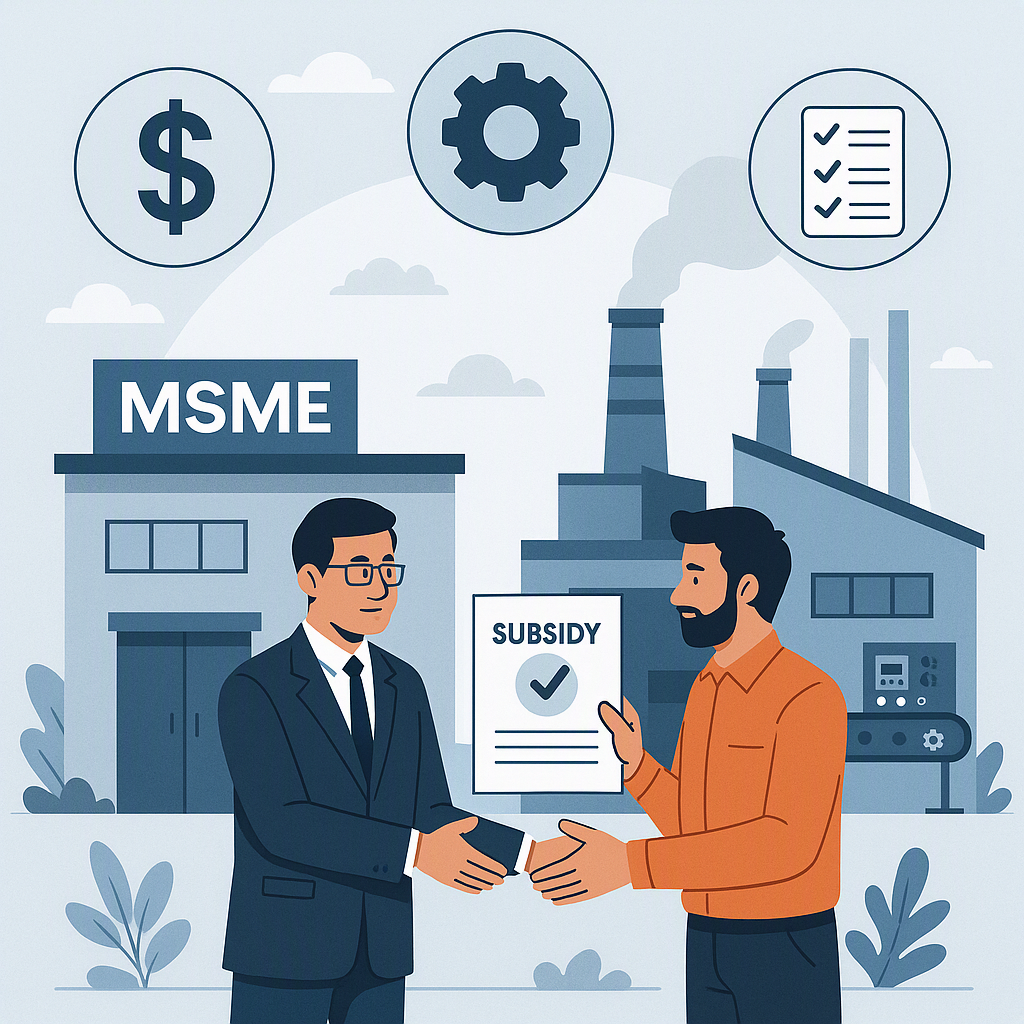
I used to think that navigating hotel loan subsidies in India was a straightforward task. Just find a subsidy, apply, and wait for the money to roll in. How hard could it be? Turns out, it’s a bit more complicated than that.
The Complex Landscape of 2026
In 2026, the landscape for hotel loan subsidies in India is bustling with opportunities but also fraught with challenges. Different states offer varying incentives, and central schemes add another layer of complexity. For instance, state tourism policies often offer capital investment subsidies, but eligibility criteria and the process can be daunting. The Tamil Nadu Industrial Investment Corporation provides financial assistance for setting up hotels to promote tourism, yet managing the documentation and compliance can feel like a full-time job.
Why the Old Belief Persisted
Why did my old belief persist? Because on the surface, it seems logical. State and central governments want to boost tourism, so they offer subsidies. But the reality is, without a keen understanding of how these programs interconnect, you might end up leaving money on the table or worse, facing rejection due to poorly prepared applications.
Deep Dive into Specifics
What changed my perspective was a deep dive into the specifics of the schemes. The Tourism Policy 2022 outlines specific interest subsidies, like those for bank loans. However, not all hotels qualify, especially luxury and heritage hotels which might have different conditions. The Capital Investment Subsidy offers support for projects, but again, navigating the fine print is crucial.
Actionable Steps for Success
-
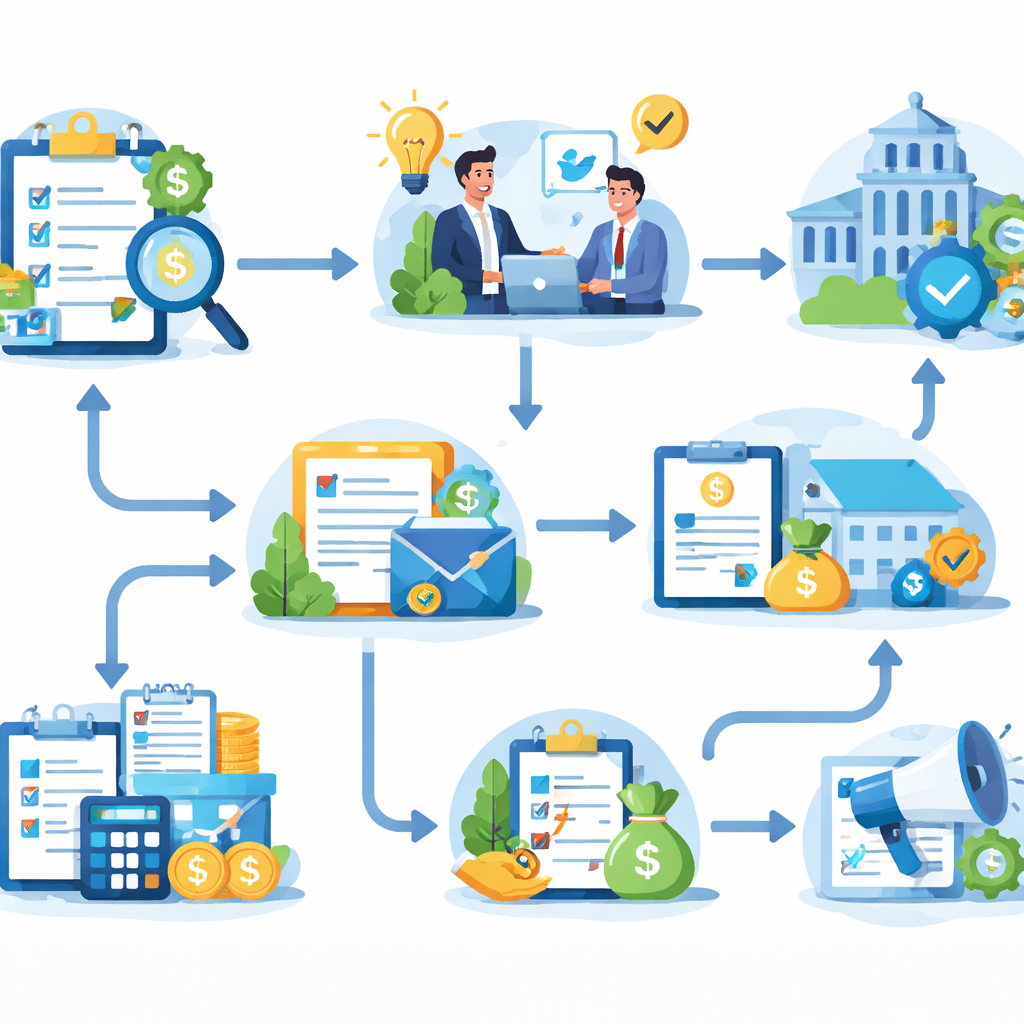
Eligibility Assessment: Begin with a detailed eligibility assessment through platforms like Subsidy4India. This helps identify which subsidies apply to your project size, location, and type.
-
Documentation: Gather all necessary documents meticulously. Ensure that your project aligns with the subsidy’s criteria. Missing a single document can delay or derail the entire process.
-
Application Submission: File your application carefully. Check and double-check the requirements listed in the subsidy guidelines.
Combining Schemes for Greater Impact
Combining central and state schemes is another strategy I’ve learned to appreciate. It’s not just about applying for one subsidy; it’s about maximizing benefits by stacking them effectively. For example, the Prime Minister's Employment Generation Programme offers subsidies for units in rural areas, which can be combined with state policies for greater impact.
Post-Sanction Compliance
However, the process doesn’t end with securing the subsidy. Post-sanction compliance is often overlooked but critical. This involves submitting utilization certificates, disbursement claims, and periodic reports to ensure continued support and avoid penalties.
Avoiding Common Pitfalls
Many projects falter here because they underestimate the ongoing requirements. It's crucial to stay organized and keep track of deadlines and submissions required by the funding bodies.
The Cost of Being Uninformed
What being wrong cost me was a missed opportunity to guide businesses better in maximizing their subsidy benefits. I’m still unsure about how some of the newer schemes will evolve or change, which means staying updated and adapting strategies continuously.
A Comparison Framework
| Aspect | State Schemes | Central Schemes |
|---|---|---|
| Eligibility | Varies by state, often more specific | Broader eligibility, might have more general criteria |
| Documentation Required | Usually extensive, state-specific | Generally standardized across the country |
| Application Process | Can be more bureaucratic and localized | Centralized, but might be more competitive |
| Post-Approval Compliance | Varies, often requires close monitoring | Usually more structured, with clear guidelines |
Conclusion
In this ever-changing subsidy landscape, the only constant is the need for thorough planning and informed decision-making. Keeping abreast of the latest developments and understanding the intricacies of each scheme is essential. As the subsidy environment evolves, so must your strategies.
This approach not only ensures you secure the right funding but also that you maintain compliance throughout the project lifecycle, helping to avoid potential pitfalls and maximize the benefits of available subsidies.