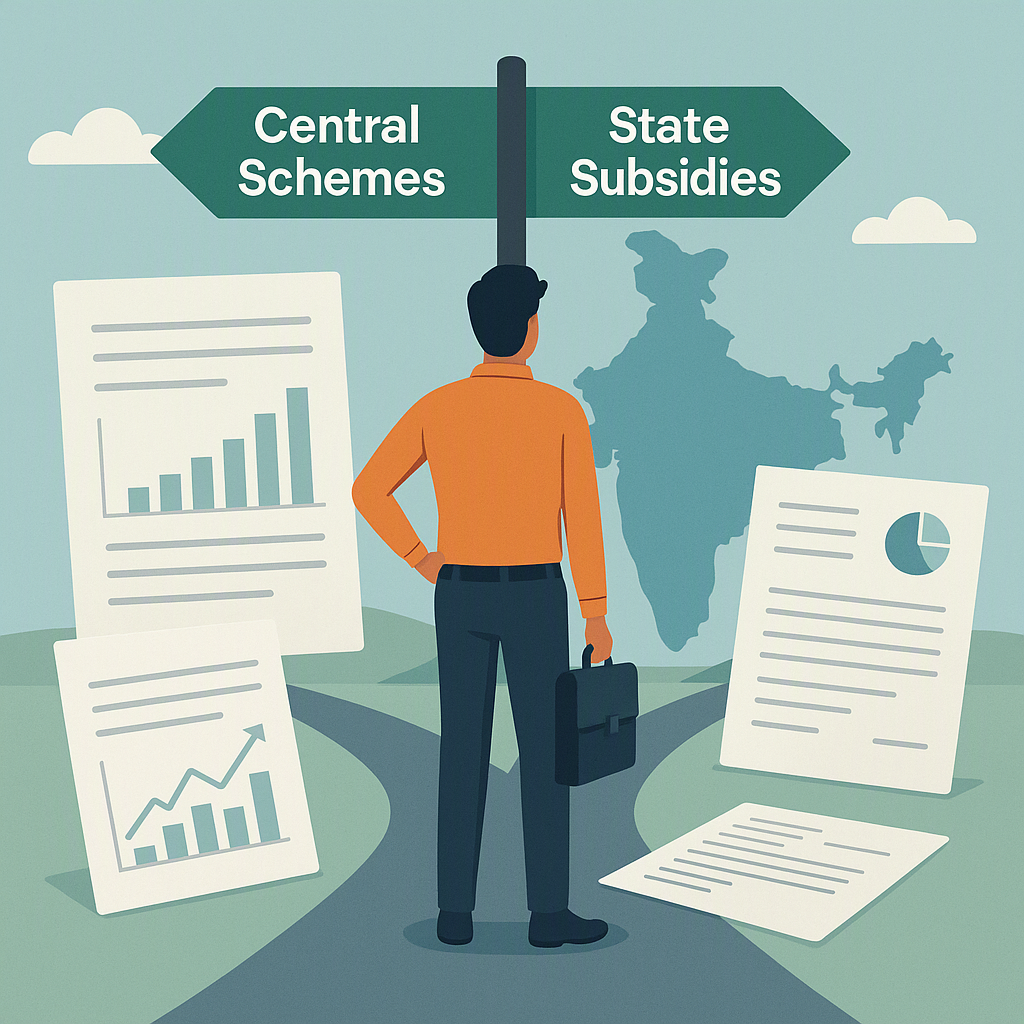

Before asking about a hotel incentive, prepare a short account of the project: where it will be built, who will invest, what has already happened and which decision comes next. Those details give an adviser something concrete to examine. A search result promising a subsidy is not enough information to include a receipt in a financing plan.
Use this checklist to prepare an eligibility discussion for a hotel project in India. It does not identify an open funding window or confirm a property's eligibility. The useful next step is to compare the actual project with the applicable official terms, while keeping unanswered questions visible.
Read the source before relying on a summary
For background, consult the Government of India Ministry of Tourism's hotel guidelines. The document states:
Hotel Projects are approved at implementation stage.
For the latest published documents, consult the official NIDHI+ guidelines directory and check the applicable instructions with the relevant authority. Keep hotel approval, operating permissions and financial support as separate questions in your project file. Ask an adviser to identify the actual provisions relevant to your investment rather than treating an approval document as evidence of a subsidy sanction.
Write a one-page project summary
Record the state, district and full site address. Describe the proposed hotel format, intended customers, room inventory and major facilities. Say whether the project is a new property, an expansion or a refurbishment. Explain the intended opening sequence and identify what remains provisional.
List the entities involved and their proposed roles. Distinguish the landowner, investor, borrower, developer and operator where these are different. If an operating arrangement is being negotiated, label it provisional. The purpose is a coherent starting point for review, rather than a claim that every entity qualifies.
Add a timeline covering land or lease discussions, design, applications, orders, construction, installation and intended operations. Use actual dates where records exist and label estimates. This helps an adviser distinguish completed actions from future choices before discussing a potential programme.
Turn your records into a reviewable document index
Create an index showing the filename, date, issuing party, responsible colleague and unresolved question for each document. Keep sensitive material in a controlled folder. In the first enquiry, describe what you have instead of sending identity records, banking details or an entire title file without a reason.
| Project question | Records to identify | Uncertainty to flag |
|---|---|---|
| Who will invest and operate? | Entity details and proposed agreements | Arrangements still being negotiated |
| Where is the project? | Site details and available ownership or lease records | Location or land-use questions |
| What will be built or changed? | Project description, drawings and equipment list | Unconfirmed facilities or design changes |
| What has been committed? | Orders, invoices and payment records | Missing records or unreconciled costs |
| What remains to be funded? | Cost model and financing discussions | Unapproved facilities or conditions |
| What decision comes next? | Timeline and approval register | A commitment that may affect the assessment |
This table is an advisory preparation tool, not an official application checklist. When a relevant programme is identified, ask for its actual evidence requirements. Keep a separate list of missing records so the adviser can distinguish an incomplete file from an eligibility concern.
Keep costs and financing assumptions traceable
Separate land, buildings, equipment, professional fees, working capital and other project costs in your internal model. Show committed costs separately from proposed spending. Link entries to quotations or records where available. State whether taxes and contingencies are included, and keep the units consistent.
Leave a review column for the policy provision, proposed treatment and person who checked it. Do not assign every cost to an assumed eligible category. A useful cost schedule lets another person trace an amount to a record and understand the assumption behind it.
Prepare a base financing case without an unapproved incentive and discuss the assumptions with your financial adviser and lender. Keep any proposed support in a separate, clearly labelled scenario. Avoid arranging contractor payments around an incentive receipt whose amount and timing remain unconfirmed.
Ask questions that can be answered from the actual policy
Ask the adviser to identify the issuing authority, policy version, relevant provisions and any amendments. Then request a project-specific explanation covering location, entity structure, investment stage and costs. Record unclear conditions and the authority from which clarification is needed. An unanswered question should stay open rather than becoming an assumed approval.
Discuss application timing, evidence, decision stages and any obligations after assistance. If several programmes are being considered, request a separate review of their combination restrictions. Do not add proposed benefits together without checking the actual terms against the same project costs.
Keep a decision log for upcoming commitments: the question to resolve, the evidence needed and the person responsible. Update the project note when the location, operator, scope or timetable changes. Retain the advice alongside the documents used for that assessment.
Make the first enquiry specific
Share the proposed location, hotel format, project stage, investment estimate and next decision. Mention any policy already discussed and ask what further information is needed. A concise project summary makes the next conversation more focused than a request for the maximum possible subsidy.
For your next step, read about hotel and restaurant projects or send an eligibility enquiry. Ask which current official terms should be checked before relying on an incentive in the project plan. Treat the enquiry as the beginning of an assessment, with eligibility and funding still to be established.