
Navigating India's tourism subsidies can feel like solving a complex puzzle. Initially, I believed it was a simple process: find a central scheme, match it with a state policy, and you're set. However, it's far from straightforward.
Understanding the Complexity
The complexity of tourism subsidies in India became apparent when I explored the detailed guidelines and policies that shift with each budget announcement. A report by Invest UP highlights the intricate layers of eligibility criteria, such as extra subsidies for unserved destinations or specific categories like women entrepreneurs. These subsidies are not free money; they necessitate precise alignment with government priorities.
To break it down, understanding the complexity involves recognizing how subsidies evolve annually. Government budgets introduce new priorities and modify existing ones, which means staying updated is crucial. The eligibility criteria, for instance, could prioritize eco-friendly projects one year and shift focus to digital advancements the next.
Why the Misconception?
The belief that subsidies are straightforward is widespread. This misconception likely stems from the idea that subsidies are meant to support businesses, so why complicate them? Yet, the reality involves nuanced eligibility requirements and compliance criteria, making the process complex.
Many assume that once a project falls under the tourism category, it will automatically qualify. The truth is, each project's specifics—like its environmental impact, location, and target audience—can influence eligibility. Understanding these nuances is vital for success.
A New Approach
Understanding this complexity, I now approach subsidies with a different mindset. The first step is a comprehensive eligibility assessment, focusing on sector, location, and investment size. Detailed checklists, like those from Subsidy4India, are invaluable in aligning your project with applicable central and state schemes. For instance, Maharashtra offers a subsidy on capital investments for tourism projects—a significant advantage if you meet the criteria (Maharashtra Government Subsidies).
Combining Central and State Subsidies
Merging central and state subsidies is challenging. Each policy's fine print is crucial. Central schemes might offer broad support across sectors, while state policies often target specific areas or project types. It's essential to understand how different regions within a state may receive varying support levels based on development needs.
To effectively combine subsidies, start with a list of central schemes relevant to your project. Next, match these with state policies that align with your goals. Use resources like Subsidy4India to cross-check eligibility and application requirements.
Decision Framework
Consider the following aspects when combining subsidies:
| Criteria | Central Scheme | State Scheme |
|---|---|---|
| Focus | Broad sectoral support | Specific regional and project focus |
| Eligibility | Generally wider eligibility | Often narrow, region-specific eligibility |
| Application Process | Standardized across states | Varies significantly between states |
| Funding | Typically larger funds but more competitive | Smaller funds but potentially less competitive |
Preparing a Subsidy Application
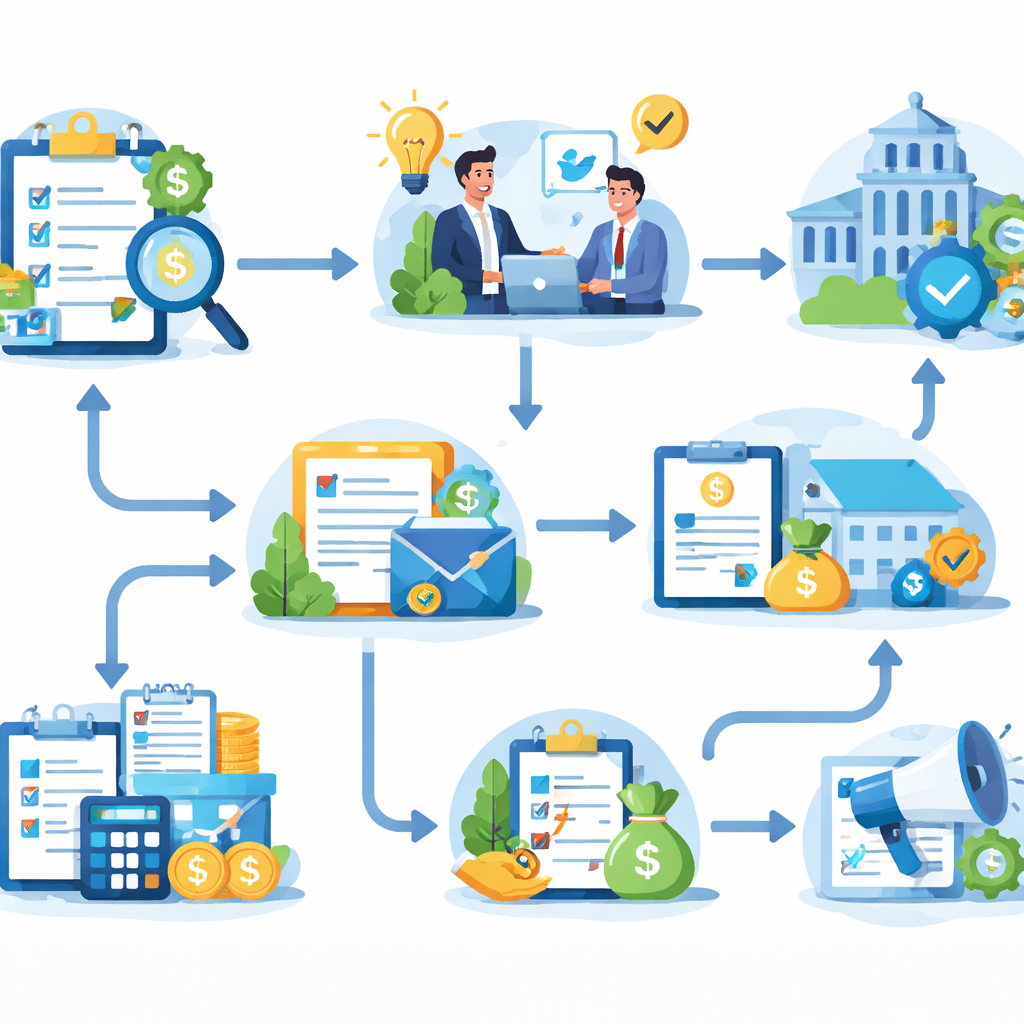
Many applications fail due to poorly prepared documentation or misunderstanding compliance requirements. A step-by-step guide is crucial, detailing necessary documents and timelines. Services like those from Subsidy4India provide end-to-end application preparation, which can be pivotal in securing your subsidy.
Key Steps in Application Preparation:
- Document Compilation: Gather all required documents as per the checklist. This can include business plans, financial statements, and environmental impact assessments.
- Eligibility Verification: Double-check eligibility criteria to avoid rejection. Criteria can be as specific as the percentage of local employment your project must generate.
- Timely Submission: Adhere to deadlines to ensure your application is considered. Late submissions are a common reason for disqualification.
Post-Sanction Compliance
Securing a subsidy is only the beginning. Post-sanction compliance involves proper monitoring and reporting to ensure you retain the funding. This includes periodic reporting and adhering to utilization requirements, a challenging step without expert assistance.
Compliance means adhering to conditions such as maintaining a certain number of jobs or achieving environmental targets. Failure to comply can lead to subsidies being withdrawn, so meticulous record-keeping and regular updates to the funding body are crucial.
Maximizing Subsidy Potential
The key to maximizing tourism subsidies is aligning your investments with both central and state priorities. Many states, like Madhya Pradesh, heavily incentivize sectors like responsible tourism.
To maximize potential, consider diversifying your project to cover multiple subsidized areas, such as combining eco-tourism with digital innovations. This not only increases your funding opportunities but also aligns with broader government priorities, enhancing your project's appeal.
Conclusion
If you're grappling with the complexities of tourism subsidies, Subsidy4India offers expertise to navigate this landscape. Their assessment and scheme-matching service can be particularly useful in identifying the best opportunities for your project, ensuring that you do not miss out on substantial financial support. Understanding and leveraging the intricate landscape of subsidies can transform your tourism project from a dream into a reality.