
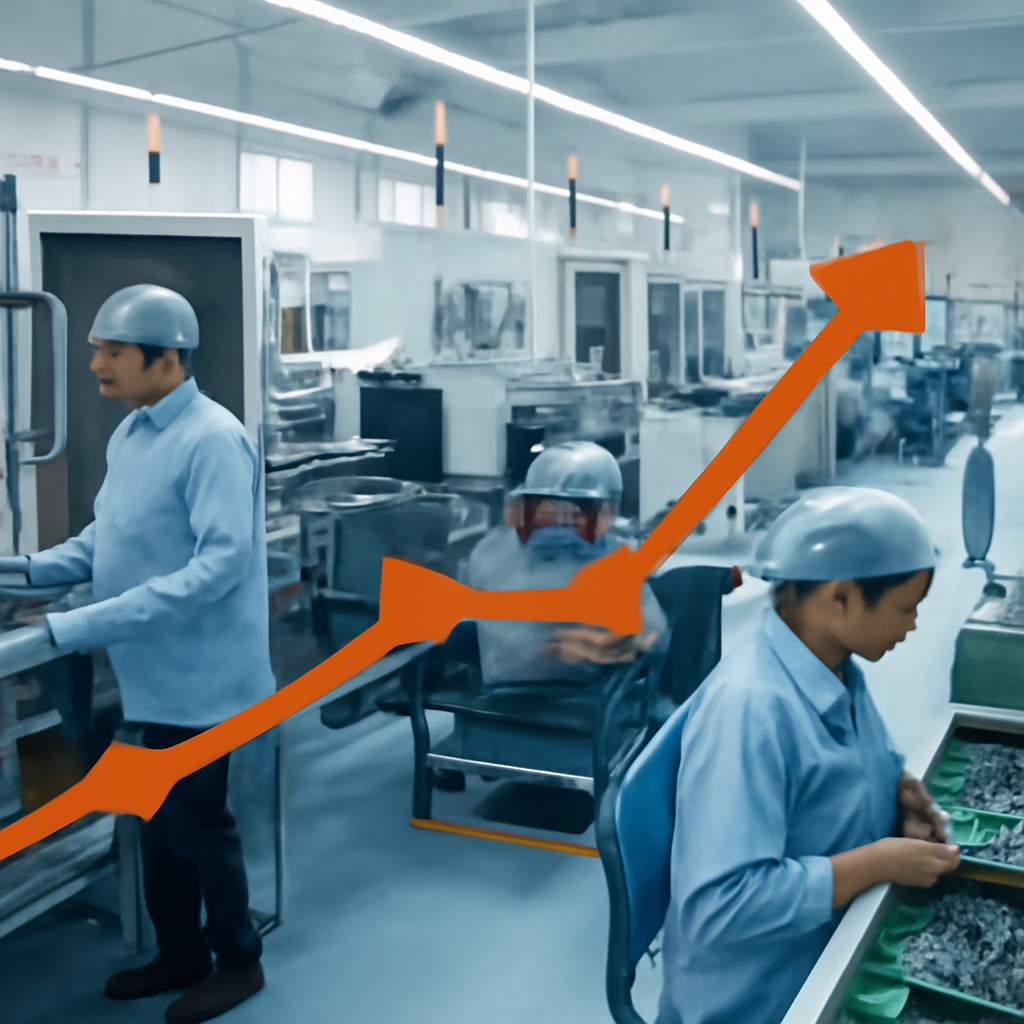
The Promise of the PLI Scheme
The Production Linked Incentive (PLI) scheme was introduced to incentivize domestic manufacturing, create jobs, and reduce imports. While initially met with skepticism, it has become a key part of India’s strategy to boost its manufacturing sector and compete globally. The scheme rewards companies for increasing their production in India, offering financial incentives tied to incremental sales over a base year.
If you’re a manufacturer looking to expand or set up operations in India, understanding how PLI works, its eligibility criteria, and how to maximize its benefits is crucial. This guide breaks down the scheme’s structure and provides actionable insights for businesses.
What Is the PLI Scheme, and Why Does It Matter?
The PLI scheme is a performance-based initiative designed to address challenges in India’s manufacturing landscape, such as limited scale and global competitiveness. Companies receive financial incentives based on their incremental production and sales of goods manufactured domestically. The more a company produces and sells, the greater the incentive it earns. This approach aims to strengthen India’s industrial base while helping businesses reduce operational costs and improve margins.
The scheme targets specific sectors critical to India’s economic growth and global competitiveness. These include electronics manufacturing, pharmaceuticals, automobiles, textiles, food processing, and renewable energy, among others. Each sector has unique eligibility criteria and goals, such as promoting local sourcing, encouraging research and development, or focusing on high-value products.
Key Goals of the PLI Scheme
- Strengthen Domestic Manufacturing: Reduce reliance on imports by increasing local production.
- Promote Export Competitiveness: Position India as a global production hub for key sectors.
- Create Jobs: With increased manufacturing comes the potential for large-scale job creation.
- Encourage Innovation: Drive investments in research and development for high-tech and value-added products.
By addressing these objectives, the PLI scheme aims to bridge gaps in India’s manufacturing ecosystem and position the country as a competitive player in global supply chains.
How to Qualify for the PLI Scheme
PLI schemes are designed to reward businesses that demonstrate the capacity to scale production and meet specific benchmarks. Here are the key factors to consider:
1. Incremental Sales
The core of the PLI framework is its performance-based structure. Companies must achieve incremental growth in production and sales over a baseline year, which varies by sector. For instance, if a company’s baseline production is 1 million units, the scheme may require them to produce an additional 20% to qualify for incentives.
Actionable Tip: Perform a detailed analysis of your current production capacity and projected growth to ensure you can meet or exceed the required benchmarks.
2. Domestic Value Addition
To reduce reliance on imports, many sectors under the PLI scheme mandate a minimum percentage of domestic value addition (DVA). This means companies must source raw materials, components, or intermediate goods locally. For example, the electronics sector may require 50% DVA to qualify.
Actionable Tip: Audit your supply chain to identify opportunities for local sourcing. Partner with domestic suppliers to meet DVA requirements.
3. Sector-Specific Conditions
Each sector under PLI has unique criteria, such as:
- Investment Thresholds: Companies may need to invest a minimum amount in plant and machinery.
- Production Targets: Achieving specific production levels is often mandatory.
- R&D Commitments: Sectors like electronics and pharmaceuticals prioritize innovation and may require a portion of the investment to be allocated toward research.
Actionable Tip: Review sector-specific guidelines carefully. Government notifications and nodal agency websites are valuable resources for understanding these nuances.
4. Timeline
PLI schemes operate on strict timelines for application submission, project initiation, and production milestones. Missing these deadlines can result in disqualification.
Actionable Tip: Create a timeline with all key deadlines and milestones, then assign accountability within your team to ensure compliance.
Navigating these requirements can be complex. Businesses often benefit from consulting experts who specialize in government incentives to ensure compliance and maximize their benefits.
Sector-Specific Insights: Real Benefits, Real Challenges
The PLI scheme is not a one-size-fits-all program. Here’s how it impacts key sectors:
1. Electronics Manufacturing
The electronics sector has seen significant interest due to its potential for large-scale production and export. Companies in this sector can benefit from incentives tied to the production of mobile phones, electronic components, and other high-demand products.
Challenges:
- Achieving economies of scale is critical to success.
- Strict domestic value addition requirements can be a hurdle for companies reliant on imported components.
Actionable Steps:
- Invest in automation to reduce per-unit production costs.
- Partner with local suppliers for components to meet DVA targets.
2. Pharmaceuticals
India’s pharmaceutical industry is a global leader in generic drug production. The PLI scheme aims to reduce dependence on imported raw materials by encouraging local manufacturing of critical components like Active Pharmaceutical Ingredients (APIs).
Challenges:
- Companies must meet stringent quality and regulatory standards.
- Supply chain localization can be complex due to limited domestic suppliers for certain APIs.
Actionable Steps:
- Invest in quality control systems to meet regulatory requirements.
- Explore joint ventures with domestic API manufacturers to strengthen the supply chain.
3. Textiles
The PLI scheme for textiles focuses on promoting high-value products such as man-made fibers and technical textiles. This sector has the potential to create significant employment opportunities.
Challenges:
- High initial investment in advanced production technology.
- Competition from low-cost global producers.
Actionable Steps:
- Leverage government incentives for technology upgrades.
- Target niche markets with high-value products to differentiate from competitors.
Challenges: Why Many Applications Fail
While the PLI scheme offers significant financial incentives, many businesses struggle to successfully navigate the application process. Common pitfalls include:
- Misunderstanding Eligibility: Businesses often fail to meet specific thresholds for investment, production, or value addition.
- Incomplete Documentation: Errors in detailed project reports (DPRs) or missing documents frequently lead to rejections.
- Delayed Applications: Strict deadlines mean that late submissions are not considered.
- Post-Sanction Compliance: Approved applicants must submit periodic reports and utilization certificates, which can be a complex process.
Actionable Tip: Work with experienced consultants to ensure your application is thorough and submitted on time. Maintain ongoing communication with the nodal agency to address any compliance issues.
How to Maximize Benefits: Combining PLI with Other Subsidies
One effective strategy for maximizing PLI benefits is combining them with state-level incentives. Many states offer additional subsidies, such as:
- Capital Investment Support: Financial assistance for purchasing machinery and setting up production facilities.
- Tax Reimbursements: Refunds on GST or other taxes paid.
- Power Subsidies: Reduced electricity tariffs for manufacturing units.
Actionable Tip: Research state-specific industrial policies to identify additional incentives. Ensure compliance with rules for combining multiple schemes to avoid double-dipping penalties.
Step-by-Step Guide to PLI Application Success
If you’re considering applying for the PLI scheme, follow these steps:
-
Eligibility Assessment: Evaluate your business operations against the specific criteria for your sector.
-
Project Report (DPR): Prepare a detailed report outlining your investment plans, production targets, and compliance strategy.
-
Application Filing: Submit your application before the deadline, ensuring all required documents are accurate and complete.
-
Liaison with Authorities: Engage with nodal agencies to address any queries and expedite approvals.
-
Post-Sanction Compliance: Regularly submit required reports and documentation to ensure you receive the full incentive amount.
FAQ
1. Can MSMEs benefit from the PLI scheme, or is it only for large companies? Yes, MSMEs can benefit, particularly in sectors like food processing and textiles, where entry barriers are lower.
2. What happens if I don’t meet the production targets? Incentives are performance-based. If targets are not met, the incentive for that year may not be granted.
3. Can I combine PLI with other schemes? Yes, PLI incentives can often be combined with state and central government schemes for additional benefits. Professional guidance can help navigate the complexities of combining schemes.
4. How long does it take to receive PLI incentives? Disbursement timelines vary by sector and scheme. Some incentives are released annually, while others may take longer.
5. What is the penalty for non-compliance with PLI conditions? Non-compliance can result in disqualification from the scheme and repayment of previously disbursed incentives.
Decision Framework: Is the PLI Scheme Right for You?
| Factor | Key Question | Action |
|---|---|---|
| Incremental Sales Growth | Can your business achieve significant production growth? | Analyze production capacity. |
| Domestic Value Addition | Can your supply chain meet localization requirements? | Audit and partner with local suppliers. |
| Investment Capacity | Do you have the capital to meet investment thresholds? | Review financing options. |
| Compliance Capability | Can your team handle reporting and compliance requirements? | Allocate resources or hire consultants. |
Use this table to assess your readiness for participating in the PLI scheme. By addressing these factors, you can make an informed decision.
Understanding the PLI scheme and its sector-specific requirements can help manufacturers unlock significant benefits. If you need assistance with the application process or combining PLI with other subsidies, professional consulting services can provide valuable support.