How to Navigate India's Industrial Incentive Policies in 2026
I used to think that India's industrial incentives were a straightforward boon for anyone looking to grow a manufacturing unit or expand operations. Who wouldn't want to tap into government subsidies, right? It seemed simple—just apply, get approved, and use the funds to fuel your business growth. Easy. But then I got knee-deep in the process, and reality hit hard.
The Catalyst: A Realization in 2024
My wake-up call came in 2024 when a promising project I was consulting for got tangled in the web of endless documentation and changing policies. We were relying heavily on a combination of central and state schemes to make the project viable. Specifically, we were aiming to stack a Production Linked Incentive (PLI) from the central government with the Viksit Gujarat Industrial Policy 2026. Sounds like a strategic move, right? Source.
Understanding Production Linked Incentive (PLI) Schemes
PLI schemes are designed to boost domestic manufacturing in various sectors by incentivizing incremental production. These schemes target sectors like electronics, pharmaceuticals, and textiles, among others. However, the intricate eligibility criteria and sector-specific requirements can complicate the application process.
Actionable Steps to Navigate PLI Schemes
-
Identify Relevant Sectors: Start by identifying if your business falls within the sectors eligible for PLI. This involves checking the latest government notifications and amendments.
-
Understand the Incentive Structure: Each PLI scheme has a unique incentive structure—typically based on incremental sales or production. Make sure to understand these metrics.
-
Prepare Required Documentation: Gather necessary documents like financial statements and growth forecasts. These documents need to align with the requirements of the PLI scheme.
-
Engage a Compliance Expert: Given the complexity, involving a compliance expert to review your application can be beneficial.
Viksit Gujarat Industrial Policy 2026
The Viksit Gujarat Industrial Policy aims to promote sector-specific growth within the state by offering tailored benefits based on location and industry. These benefits can include tax exemptions, subsidized land, and reduced utility rates. However, to access these benefits, businesses must navigate a complex web of criteria and documentation requirements. Viksit Gujarat Industrial Policy.
Steps to Leverage Viksit Gujarat Industrial Policy
-
Location-Specific Criteria: Ensure your project is located in a region eligible for the policy. Different regions have different benefits.
-
Industry Alignment: Confirm that your industry is covered under the policy. This information is typically available on the state government’s official portals.
-
Documentation and Compliance: Prepare documents that demonstrate how your project aligns with the policy’s objectives, including environmental compliance and local employment generation.
-
Consult Local Authorities: Engage with local industrial bodies or consultants familiar with state policies to ensure compliance.
Why the Old Belief Persisted
The belief that industrial incentives were straightforward persisted because the schemes themselves are marketed as being beneficial and accessible. The PLI schemes, for instance, cover a broad range of sectors from electronics to pharmaceuticals, promising to boost production and sales PIB Delhi. The problem is, these promises gloss over the complex eligibility criteria and the meticulous documentation needed.
The Reality of Industrial Incentives
-
Complex Eligibility Criteria: Each incentive scheme comes with a unique set of eligibility criteria that businesses must meet. This includes sector-specific requirements, investment thresholds, and compliance with environmental regulations.
-
Documentation Requirements: To qualify for incentives, businesses must prepare detailed project reports, financial forecasts, and compliance certifications. This documentation is not just a formality but a critical component of the application process.
-
Ongoing Compliance: Even after approval, businesses must maintain compliance with the terms of the incentive. This includes submitting periodic reports, utilization certificates, and ensuring that the intended production goals are met.
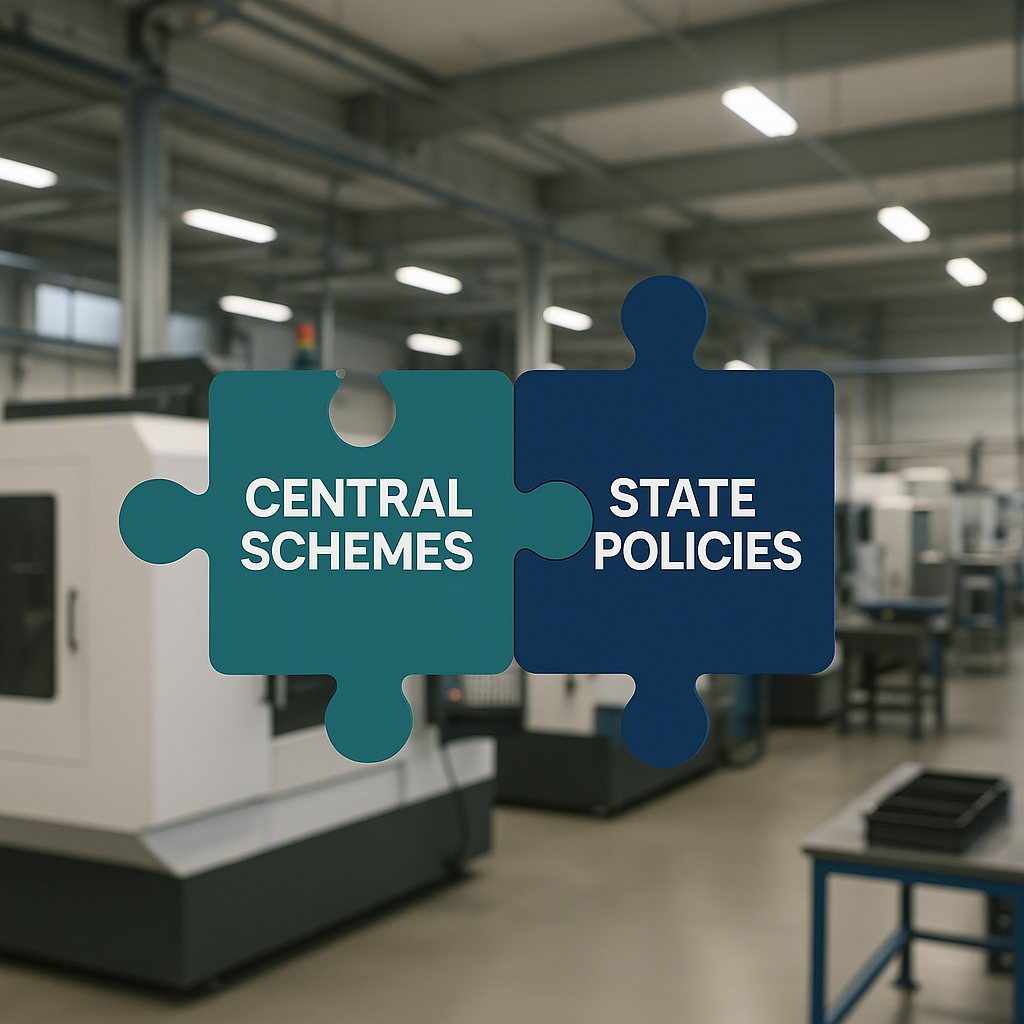
Comparison of Central vs. State Incentives
| Criteria | Central Schemes | State Schemes |
|---|---|---|
| Eligibility Criteria | Sector-specific and investment size | Location and sector-specific |
| Benefits Offered | Tax breaks, financial incentives | Land subsidies, utility discounts |
| Documentation | Extensive, project-specific | Comprehensive, including local permits |
| Compliance Monitoring | Required with regular reporting | Required with local authority checks |
What I Do Differently Now
Today, I approach these incentives with a hefty dose of skepticism and a solid plan. First, eligibility assessment is non-negotiable. Our team at SCPL now conducts detailed assessments to match projects with the right schemes based on sector, investment size, and location SCPL Eligibility. We start by sending project details for an initial enquiry without any payment needed. This helps avoid wasting time on ineligible schemes.
Practical Steps for Navigating Incentives
-
Conduct Thorough Research: Before applying, businesses should research both central and state-level incentives to identify which ones align with their project goals and sector.
-
Eligibility Assessment: Utilize expert services to assess eligibility against the criteria of various schemes. This can prevent wasted effort on inapplicable incentives.
-
Scheme Stacking: Identify how central and state schemes can be effectively combined to maximize benefits. This involves understanding how different incentives interact and complement each other.
-
Documentation Preparation: Compile all necessary documentation, including project reports, financial projections, and compliance records, before beginning the application process.
-
Regular Compliance Checks: After receiving incentives, regularly monitor compliance requirements and deadlines to ensure continued eligibility and benefit retention.
The Costs of Being Wrong
Being wrong about the simplicity of industrial incentives costs time, money, and credibility. We missed crucial deadlines because we underestimated the application timelines and compliance requirements. What’s more, even after approval, compliance and monitoring continue to demand attention. Utilization certificates and periodic reporting become ongoing tasks.
Hidden Costs of Non-Compliance
-
Financial Penalties: Non-compliance can result in financial penalties or the revocation of incentives.
-
Project Delays: Mismanagement of application timelines can lead to significant delays in project implementation.
-
Reputational Damage: Failing to meet compliance requirements can damage a company's reputation and undermine future applications for incentives.
The Remaining Uncertainties
What remains challenging is the ever-changing landscape of these policies. Governments revise and renew schemes periodically, and staying updated is a full-time job. This is where specialized consultation services, like those offered by SCPL, become invaluable. They provide the expertise needed to navigate these changes effectively SCPL Consultation.
Staying Updated
-
Regular Policy Monitoring: Establish a system for regularly monitoring changes in incentive policies at both the central and state levels.
-
Engage with Industry Bodies: Participate in industry associations and forums to stay informed about policy changes and new opportunities.
-
Consult with Experts: Leverage the expertise of consultancy services to navigate policy changes and ensure compliance with evolving requirements.
FAQ
1. How can I check if my project is eligible for any subsidies?
Start by sending your project details to experts for an eligibility assessment. This initial step can save you from pursuing non-viable options.
2. Can central and state incentives be combined?
Yes, strategic stacking of schemes is possible and can maximize your benefits. It's essential to understand which incentives complement each other.
3. What documents are required for subsidy applications?
You'll need detailed project reports, cost workings, and supporting documents. A thorough checklist is advisable.
4. How do I ensure compliance post-sanction?
Regularly monitor your project’s compliance requirements. This includes timely submission of utilization certificates and periodic reports.
5. What happens if I miss a compliance deadline?
Missing a compliance deadline can result in penalties or revocation of the incentive. It’s crucial to maintain a compliance calendar and adhere to all deadlines.
Conclusion
Navigating India's industrial incentive policies is anything but straightforward. However, with a robust strategy and the right guidance, it is possible to unlock significant benefits. If you're dealing with these challenges, SCPL's advisory services can guide you through the maze. Get started free →
Decision Framework: Evaluating Industrial Incentives
| Criteria | Central Schemes | State Schemes |
|---|---|---|
| Eligibility Criteria | Sector-specific and investment size | Location and sector-specific |
| Benefits Offered | Tax breaks, financial incentives | Land subsidies, utility discounts |
| Documentation | Extensive, project-specific | Comprehensive, including local permits |
| Compliance Monitoring | Required with regular reporting | Required with local authority checks |
Use this framework to evaluate and choose the right incentives based on your business needs and project specifics.