
Navigating MSME Machinery Loan Subsidies: A Comprehensive Guide
I used to think that navigating the world of MSME machinery loan subsidies was straightforward. Apply for a loan, get some subsidies, and you're good to go. Simple, right?
But in 2026, the landscape is anything but simple. With the plethora of schemes available, each with its own set of rules and eligibility criteria, it can get overwhelming fast. And if you’re an MSME in India looking to capitalize on these opportunities, understanding these schemes is crucial.
Understanding MSME Machinery Loan Subsidies
MSME machinery loan subsidies are essentially financial aids provided to encourage micro, small, and medium enterprises (MSMEs) to upgrade or expand their operations. These subsidies often come in two forms: capital subsidies and interest subventions. The ultimate goal is to reduce the financial burden on MSMEs and boost their growth.
Capital Subsidies Explained
A capital subsidy reduces the cost of acquiring machinery by providing a direct reduction in the purchase price. For instance, according to Guidelines for availing Capital Subsidy, one can avail a 25% capital subsidy on the value of eligible plant and machinery, capped at ₹150 lakh. This immediate financial relief significantly reduces initial capital expenditure, allowing businesses to redirect funds towards other critical areas such as workforce training or marketing.
To effectively leverage capital subsidies, MSMEs should:
- Identify Eligible Equipment: Ensure that the machinery you plan to purchase qualifies under the subsidy scheme.
- Calculate Potential Savings: Assess how much the subsidy will offset your costs and adjust your budget accordingly.
- Prepare Necessary Documentation: Have invoices and supplier quotes ready, as they will be required for the application process.
Interest Subventions Demystified
On the other hand, an interest subvention reduces the interest rate burden on loans taken for machinery purchase. While this does not reduce the upfront cost, it lowers the overall financial outlay over the loan term. The Special Credit Linked Capital Subsidy Scheme offers a 25% subsidy for SC/ST enterprises on plant and machinery purchases, which can translate into considerable savings over time.
Steps to maximize interest subventions include:
- Choose the Right Lender: Some banks may offer better rates or additional benefits when combined with government subsidies.
- Understand the Terms: Know the subvention rate, duration, and any conditions that must be met to maintain eligibility.
- Monitor Loan Repayments: Keep track of how subventions affect your repayment schedule to ensure you remain in good standing.
Eligibility Criteria for MSME Machinery Loan Subsidies
Eligibility criteria can vary widely, but generally depend on your MSME classification, sector, and geographical location. For example, the MSME Gujarat scheme provides a 7% interest subsidy on term loans for certain areas, up to ₹35 lakh per annum.
General Eligibility Requirements
- Classification: Ensure your business is classified correctly as micro, small, or medium, based on investment and turnover.
- Sector Specifics: Some subsidies target specific sectors such as manufacturing or technology.
- Location: State-specific schemes may require your business to be located within certain regions.
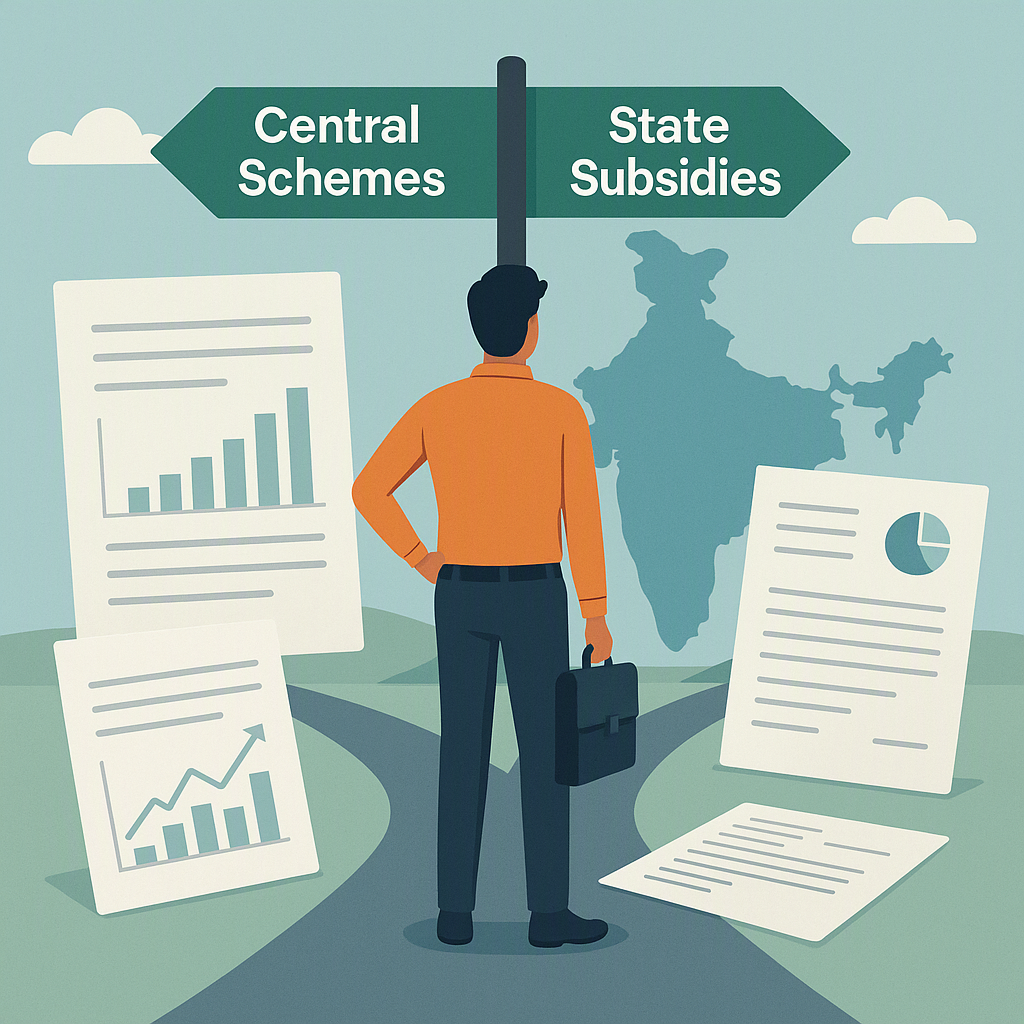
Central vs. State Schemes
Central schemes tend to have broader eligibility criteria, while state schemes can be more specific, often focusing on particular sectors or regions. For example, the Maha MSME Machinery/Equipment Scheme is tailored for enterprises in Maharashtra, emphasizing local business growth.
Top Central and State Schemes for MSME Machinery Loans in 2026
In 2026, several schemes stand out:
-
Central Government Schemes: These include the Credit Linked Capital Subsidy Scheme, which offers machinery purchase subsidies. This scheme is beneficial for MSMEs across India, providing a uniform approach to subsidy distribution.
-
State Government Schemes: States like Gujarat and Maharashtra offer attractive subsidies. For instance, Gujarat's scheme provides interest subsidies, while Maharashtra offers CGTMSE cover for loans up to ₹5 crore, adding an extra layer of financial security.
Actionable Steps
- Research State Opportunities: Explore your state's specific schemes as they may offer more generous terms than central schemes.
- Evaluate Scheme Overlap: Some businesses may qualify for multiple schemes; evaluate them to maximize benefits.
- Check Updates Regularly: Policies can change, so stay informed about the latest updates to ensure continued eligibility.
How to Combine Central and State Subsidies for Maximum Benefit
Combining these subsidies effectively can be a game-changer. But how do you do it legally and efficiently?
-
Understand the Rules: Each scheme has its own set of rules. Make sure you understand these thoroughly to ensure compliance and maximize benefits.
-
Consult an Expert: This isn’t just a plug — consulting experts like SCPL can help you navigate these waters. They can assist with eligibility assessments and advisory services, ensuring you don’t miss out on potential subsidies.
-
Document Everything: Keep thorough records of all your applications and communications with government bodies. This is crucial for both compliance and future reference.
Steps to Combine Subsidies
- Cross-Reference Eligibility: Use resources like SCPL's eligibility enquiry to determine overlapping eligibility criteria.
- Strategize Applications: Plan the timing and sequence of your applications to ensure compliance and avoid conflicts.
- Maintain Transparency: Clearly document and report all received subsidies to avoid future complications.
Step-by-Step Guide to Applying for MSME Machinery Loan Subsidies
Alright, let’s break down the application process:
-
Assess Eligibility: Use resources like SCPL's eligibility enquiry to determine which schemes you qualify for. Understanding your eligibility can save time and effort during application.
-
Prepare Documentation: This includes Detailed Project Reports (DPRs), project cost workings, and any other required forms. Complete documentation is critical to avoid delays.
-
Submit Applications: Ensure your application is complete and adheres to all guidelines. Incomplete applications are a common reason for rejection.
-
Follow Up: Regularly check the status of your application and address any inquiries promptly. Proactive communication can expedite processing.
Detailed Application Tips
- Double-Check Requirements: Each scheme may have unique document requirements; missing documents can lead to rejections.
- Utilize Digital Tools: Many applications can now be submitted online, which can speed up the process and reduce paperwork.
- Establish Points of Contact: Knowing who to contact for each scheme can help resolve issues quickly.
Post-Sanction Compliance for MSME Subsidies
Once you secure the subsidy, the work isn’t over. Compliance is key:
-
Utilization Certificates: You need to submit these to prove how the funds are being used. This demonstrates accountability and ensures future eligibility.
-
Claims and Reporting: Regularly update the relevant authorities to ensure continued funding. This includes detailed reports on fund usage and project progress.
Compliance Best Practices
- Set Reminders: Use calendar alerts to track important reporting deadlines.
- Prepare Regular Reports: Regularly update your financial and project progress reports to ensure they are ready for submission.
- Engage Auditors: Consider hiring financial auditors to ensure compliance and accuracy in reporting.
What I Do Differently Now
I learned the hard way that a scattergun approach doesn’t work. Now, I focus on understanding each scheme's nuances before diving in. I also keep an eye on deadlines religiously — missing them can mean losing out on significant benefits.
Lessons Learned
- Prioritize Research: Invest time in understanding all aspects of a scheme before applying.
- Streamline Communication: Maintain clear and open lines of communication with scheme administrators and consultants.
- Use Technology: Leverage digital tools to track applications, deadlines, and compliance requirements.
What Being Wrong Cost, or What I'm Still Not Sure About
Being wrong can cost you time, money, and opportunities. While I’ve learned a lot, I’m still unsure about the best ways to streamline the application process. It’s something I’m working on.
If you’re dealing with these challenges, Subsidy4India can help. They offer expert advisory services to simplify and enhance your subsidy application process.
FAQ
-
What is the difference between capital subsidies and interest subventions?
- Capital subsidies reduce the upfront cost of machinery by lowering the purchase price, while interest subventions reduce the interest rate burden on loans, making them cheaper over time.
-
Can I apply for both central and state subsidies simultaneously?
- Yes, you can apply for both, but you must ensure compliance with the rules of each scheme and clearly document your applications and communications.
-
What are the common pitfalls in applying for MSME subsidies?
- Common pitfalls include incomplete documentation, misunderstanding eligibility criteria, and missing application deadlines.
-
How long does it typically take to receive a subsidy?
- The timeline can vary depending on the scheme and government processing times, but it generally takes several months.
-
Is professional consultation necessary for subsidy applications?
- While not mandatory, professional consultation can significantly enhance your understanding and application process, potentially increasing your chances of success.
Decision Framework
| Criteria | Central Schemes | State Schemes |
|---|---|---|
| Scope | Nationwide, broader eligibility | Regional, often sector-specific |
| Financial Benefits | Standardized benefits across states | Tailored benefits, often more lucrative for locals |
| Complexity | Generally more streamlined | Can be complex due to regional variations |
| Application Process | Centralized, often digital | May require local contact and manual submissions |
In conclusion, navigating the world of MSME machinery loan subsidies requires diligence, strategic planning, and sometimes professional guidance. By understanding the available schemes, preparing thoroughly, and maintaining compliance, MSMEs can significantly benefit from these financial aids.