
I used to think getting government subsidies was all about having a solid business plan and a bit of luck. Fill out a few forms, send them off, and wait for the cheque, right? Wrong. It turns out, accurate documentation is the real make-or-break factor in subsidy applications for Indian enterprises.
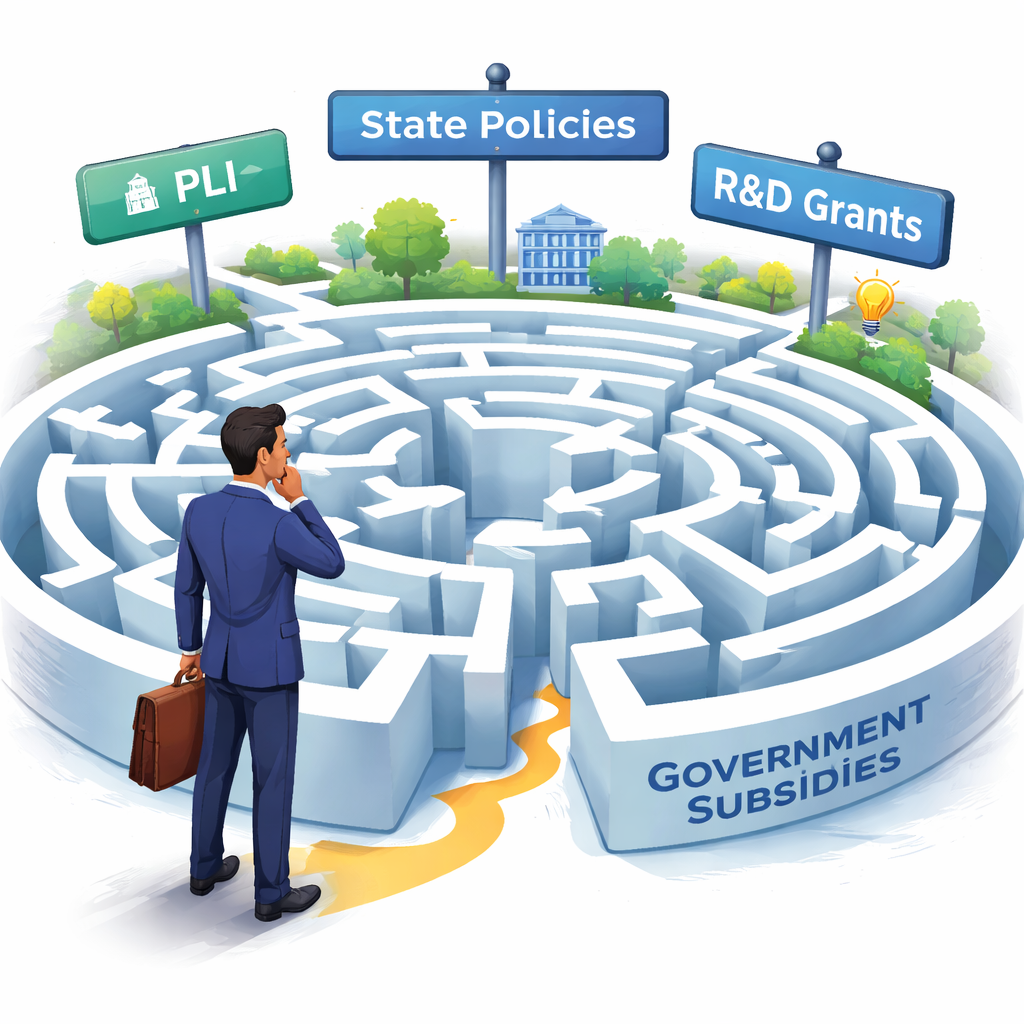
Let's face it, navigating through the labyrinth of subsidy schemes like the Production Linked Incentive (PLI) or the various state-specific policies is no cakewalk. Proper documentation is crucial to ensure that applications meet the specific requirements set by Central and State government subsidies.
Why Your Application Might Be Rejected
The problem? Many businesses underestimate the complexity of these applications. They overlook the subtle nuances of documentation that could spell the difference between approval and rejection. Why did I cling to my earlier belief so long? Because like many, I underestimated the intricacies involved in backing up a business proposal with concrete evidence.
Common Pitfalls in Documentation
Common pitfalls in documentation include incomplete project cost workups, missing utilization certificates, or even incorrect DPRs (Detailed Project Reports). Such oversights can lead to reduced sanction amounts or outright rejection. In my view, the reason these errors persist is that businesses often lack the resources or expertise to handle such detailed paperwork.
To address these issues, businesses should follow a multi-step process:
-
Complete Project Cost Workups: Ensure every financial aspect of your project is accounted for. This includes detailed breakdowns of expenses and projected costs. A comprehensive cost workup should itemize raw materials, labor costs, and overheads, providing clarity to the funding body.
-
Utilization Certificates: These documents should be up-to-date and reflect the actual usage of previously received funds if applicable. Misrepresentation or outdated certificates can result in financial penalties or revocation of funding.
-
Detailed Project Reports (DPRs): These should be meticulously prepared, incorporating all technical and financial details relevant to the project. A well-crafted DPR will include project objectives, timelines, and potential risks, displaying a thorough understanding of the project’s scope.
The Role of Professional Consultants
So, what do I do differently now? I emphasize the importance of getting professional help. Professional consultants can assess your eligibility and help match your project with the most suitable schemes. This isn't just about filling forms; it's about ensuring that every document is precise and aligns with the eligibility criteria of the specific subsidy.
Benefits of Professional Help
-
Expertise in Scheme Selection: Consultants can guide you in choosing the right subsidy scheme based on your business sector. They can help you understand the nuances of each scheme, ensuring you apply for the one that offers the most benefits.
-
Document Preparation: They ensure that your documentation is comprehensive and aligns with the requirements. This includes pre-submission reviews to catch any errors or omissions that could lead to rejection.
-
Process Navigation: Consultants help you navigate the application process, reducing the chances of errors that could lead to rejection. They offer insights into the procedural timelines and specific documentation formats required.
Essential Documents: A Checklist
Another critical component is understanding which documents are essential. For instance, depending on the sector, you might need different sets of documents: land ownership certificates, environmental clearances, or even quality certification for MSMEs. Knowing what you need ahead of time can save you from last-minute scrambles and potential rejection.
Document Types by Sector
| Sector | Essential Documents |
|---|---|
| Manufacturing | Land ownership, environmental clearances, DPRs |
| Agriculture | Land use certificates, water usage permissions |
| MSMEs | Quality certifications, financial audits, tax returns |
Navigating Policy Changes
Despite these efforts, I'm still not entirely sure if even the most thorough documentation guarantees success. The landscape is ever-changing, and policies can shift, altering the requirements overnight. This uncertainty remains a challenge.
Staying Updated
-
Regular Policy Reviews: Keep abreast of any changes in policy by regularly visiting official government websites. This practice ensures that any modifications in documentation requirements or eligibility criteria are promptly noted.
-
Subscribe to Updates: Many government departments offer newsletters or alerts for policy updates. Subscribing to these can provide timely notices of changes, helping businesses adapt quickly.
Conclusion
In conclusion, if you're dealing with the complexities of subsidy applications, getting your documentation right is non-negotiable. And if you find yourself overwhelmed, seeking professional advisory services can be beneficial. While uncertainty remains a factor, thorough preparation can significantly increase your chances of success. While it's impossible to eliminate all risks, understanding and navigating the documentation process effectively can tip the scales in your favor.