
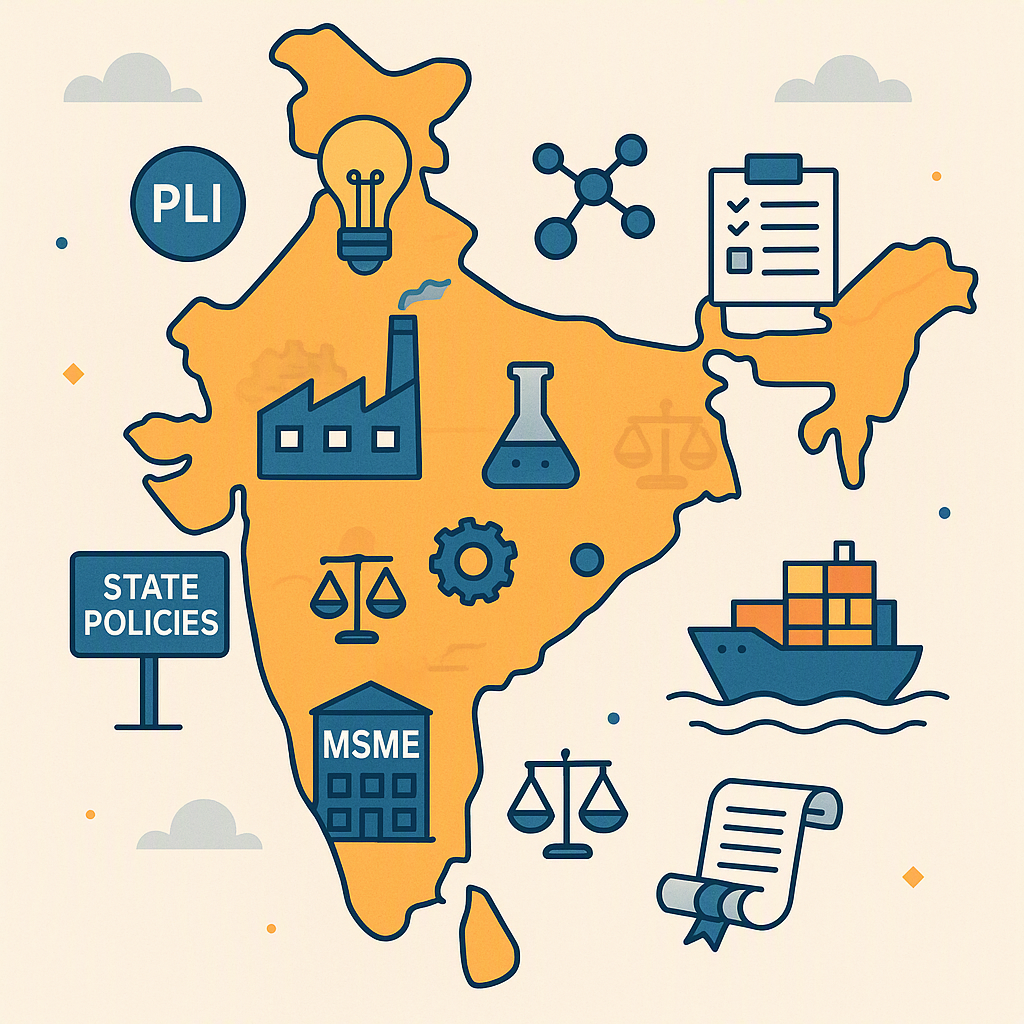
Why Most Companies Struggle with Subsidies
Subsidies sound great in theory. Who wouldn’t want the government to reimburse part of their investment? But let's be honest: most companies either don’t know where to start or give up halfway. Here’s why:
- Too many schemes: There are numerous central and state-level subsidy schemes available, each with its own set of rules and eligibility criteria. Unless you’re tracking all of them — and their frequent updates — you’re likely missing out. This abundance of options often leads to confusion, especially for businesses unfamiliar with government processes.
- Poor documentation: Government subsidies aren’t free money. They’re reimbursements tied to actual project investments — with proof required at every step. If your paperwork is incomplete or inaccurate, your application will get rejected. No exceptions. For example, missing a single invoice or a utilization certificate could lead to disqualification.
- Missed deadlines: Many schemes have strict timelines. Miss the application window, and you’re out. Deadlines aren’t just about submitting an application — post-approval compliance often comes with its own timelines as well.
The result? Significant potential benefits often go unclaimed. Don’t let that happen to you.
What You Need to Know About Subsidies in India
Let’s get one thing straight: subsidies in India are not all the same. They fall into two main categories — Central Government schemes and State Industrial Policies. Each has its own rules, benefits, and quirks. Here’s how they stack up:
| Central Government Schemes | State Industrial Policies |
|---|---|
| Run by Union ministries. | Notified by individual states. |
| Focus on R&D, manufacturing, exports, and tech upgradation. | Focus on regional development and sector-specific growth. |
| Uniform eligibility nationwide. | Benefits vary by state, taluka, and block. |
| Larger outlays but slower disbursement. | Quicker disbursement, but smaller amounts. |
Central vs. State Subsidies: A Deeper Dive
Central government schemes often focus on incentivizing specific sectors or activities, such as manufacturing, exports, or technology upgrades. These schemes usually have larger budgets and wider eligibility coverage, but they can take longer to disburse funds due to multiple layers of review.
State-level subsidies, on the other hand, are tailored to attract investment within specific regions or industries. They’re faster to process and disburse, but the benefits might not be as substantial as central schemes. For example, a state-level policy might offer a 10% capital subsidy, while a central scheme could provide up to 25% — but with stricter compliance requirements.
Actionable Tip:
If you’re setting up a manufacturing unit, consider combining central and state subsidies. For instance, you could qualify for central incentives like the Production-Linked Incentive (PLI) scheme while also leveraging state-level benefits for infrastructure development or land acquisition.
How to Find the Right Subsidy Scheme
This is where things get tricky. With so many schemes available, how do you figure out which ones you qualify for? Many companies rely on guesswork or outdated advice. That’s a mistake.
Actionable Steps to Identify the Right Subsidy
-
Start with your project details: Clearly define your project’s sector, location, scope, and investment size. This is the foundation for matching your project with eligible schemes.
- Example: If you plan to set up an agritech unit in Maharashtra, you’ll need to check both central agritech subsidies and the Maharashtra Industrial Policy.
-
Check both Central and State policies: Don’t limit yourself to one. A manufacturing unit in Gujarat could qualify for both central schemes like the Production-Linked Incentive (PLI) and state-level policies providing capital subsidies.
- Tip: Use government portals like Make in India or state-specific websites for reliable updates. Consider subscribing to updates or newsletters from industry bodies.
-
Read the fine print: Every scheme comes with specific conditions — time-bound approvals, compliance requirements, and disbursement schedules. Missing even one condition can cost you eligibility.
- Example: Some MSME capital subsidy schemes require you to apply through a designated nodal bank. If you purchase machinery before obtaining pre-approval, you lose eligibility for reimbursement.
-
Consult experts if needed: If navigating this maze feels overwhelming, work with consultants who specialize in subsidy compliance. They can help you avoid costly mistakes and delays.
Example: MSME Scheme for Technology Upgradation
Suppose you’re an MSME planning to upgrade your machinery. There are schemes that offer capital subsidies for eligible plant and machinery. However, you may need to apply through a nodal bank, and the equipment must meet specific technical standards. Missing these requirements could lead to rejection of your application.
Why Timing is Everything
One of the biggest mistakes we see is companies waiting too long to apply. Subsidies aren’t retroactive. If you start spending before your application is approved, those expenses are ineligible.
Practical Steps to Avoid Missing Out:
-
Plan subsidy applications alongside your project timeline.
- Example: If your project starts in April, ensure your application is submitted and approved by March. Don’t wait until the last minute.
-
Monitor deadlines religiously. Many schemes have quarterly or annual windows for application. Missing a deadline could delay your project or cost you money.
- Tip: Use calendar reminders or project management tools to track key dates. Assign someone in your team to oversee this full-time.
-
Engage with nodal agencies early. These agencies are your lifeline for approvals and compliance. Building a relationship early can help you stay updated on changes and avoid surprises.
-
Keep buffer time for documentation. Gathering the right documents, getting certifications, and coordinating with government bodies can take weeks or even months.
What to Watch Out For
Government subsidies can be game-changing, but only if done right. Here are some common pitfalls:
-
Overestimating eligibility: Meeting one eligibility criterion doesn’t guarantee you qualify. Carefully review all the requirements.
- Example: A scheme might require a minimum investment threshold or specific types of equipment to qualify.
-
Ignoring compliance obligations: Post-sanction compliance is critical. You’ll need to submit utilization certificates, periodic reports, and undergo audits. Missing any of these can lead to clawbacks or penalties.
-
Assuming stacking is easy: Combining multiple subsidies is a logistical challenge. Each scheme has its own rules, and they don’t always align. Mismanagement can lead to rejection of one or both applications.
-
Relying on outdated information: Subsidy policies change frequently. Using old guidelines could lead to ineligibility.
If navigating the subsidy maze feels overwhelming, you're not alone. Consider consulting with experts who specialize in identifying, applying for, and securing the right subsidies for your business.