
How to Combine Central and State Subsidies for Maximum Benefits
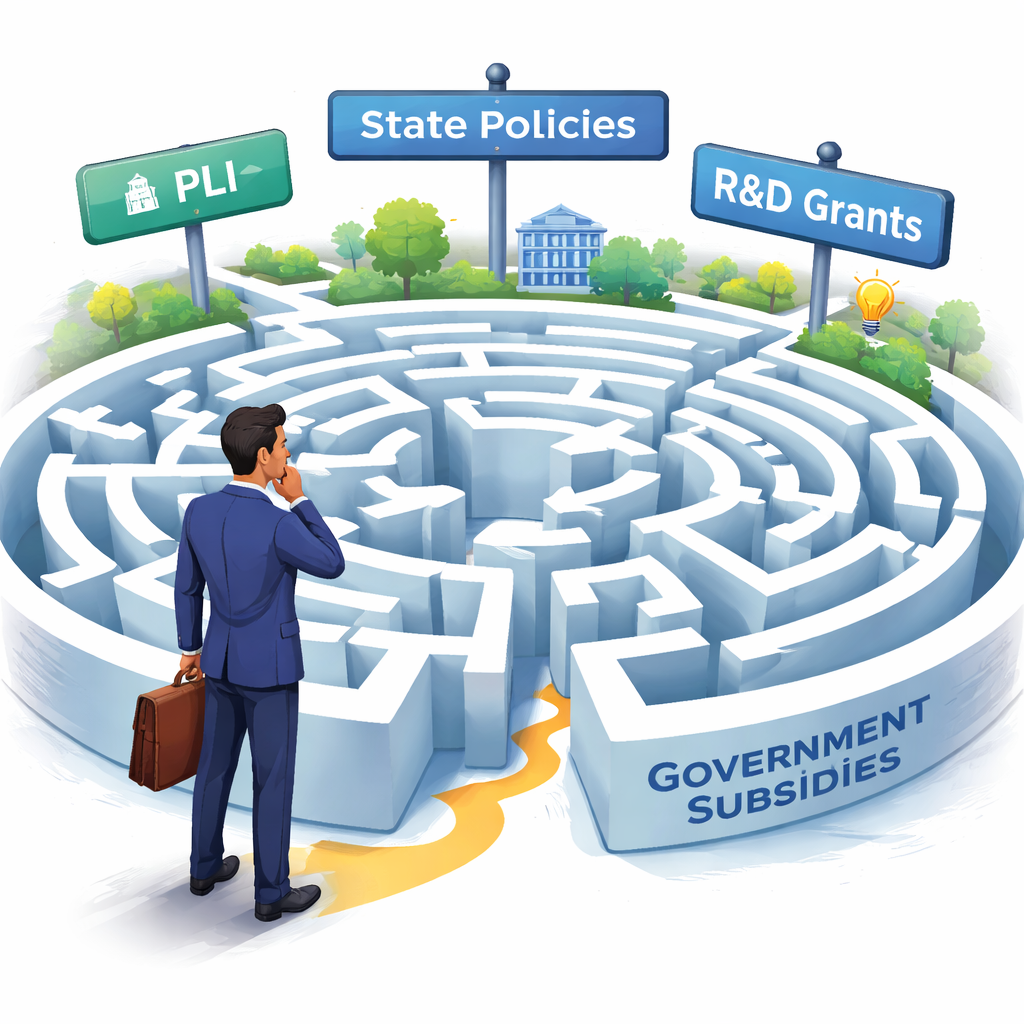
I used to think the idea of combining Central and State subsidies was straightforward. Apply for both, stack them up, and reap the benefits. Simple, right? But then, I stumbled upon the intricate world of subsidy stacking, and it changed everything.
Understanding Central and State Subsidies
Central subsidies in India are typically offered by Union ministries and focus on areas like R&D, technology upgrades, and export incentives. State subsidies, on the other hand, are usually designed to boost local industries by offering capital, interest subventions, and tax refunds. They serve different purposes but can be quite complementary if used wisely.
The key here is knowing which subsidies can be combined. There’s no universal rule that allows every Central subsidy to be freely combined with a State subsidy. Each has its own set of guidelines and eligibility criteria.
Detailed Breakdown of Subsidy Types
-
Central Subsidies: These are generally aimed at broad national objectives. For example, the Ministry of New and Renewable Energy offers subsidies for solar power installations, while the Ministry of Commerce provides export incentives through schemes like the Merchandise Exports from India Scheme (MEIS).
-
State Subsidies: These are more localized, often designed to boost regional economic development. For instance, Tamil Nadu offers tax incentives to textile industries, whereas Gujarat might provide capital investment subsidies for setting up new manufacturing plants.
-
Comparison: Central subsidies are generally more competitive and come with stringent eligibility criteria, whereas State subsidies can be more accessible but vary greatly from one state to another.
Actionable Steps for Maximizing Subsidy Benefits
- Research Diligently: Use government websites and portals, such as MyGov or Subsidy4India, to stay updated on available schemes and their criteria.
- Consult Local Authorities: State-level departments often have specific guidelines and can provide insights into the nuances of local subsidies.
- Leverage Technology: Use subsidy aggregation platforms or apps that keep track of changes in subsidy policies and application processes.
Eligibility Criteria for Combining Subsidies
Combining subsidies requires a careful understanding of eligibility criteria. Central schemes often reward production or R&D efforts, while State schemes might focus more on capital investments. Each requires a separate application process through different channels, as highlighted in a LinkedIn article.
Actionable Steps for Eligibility Assessment
-
Identify Applicable Subsidies: Start by researching available subsidies relevant to your sector. Use resources like Subsidy4India to evaluate eligibility based on your industry and location.
-
Check Overlapping Guidelines: Ensure that the criteria for each subsidy do not conflict. If one subsidy covers capital investment, ensure the other does not restrict claiming capital expenses.
-
Document Preparation: Prepare a checklist of required documents for both Central and State subsidies. This might include project reports, financial statements, and proof of compliance with previous grants.
In-Depth Eligibility Checklist
- Sector Analysis: Determine if your business sector is a priority in the current subsidy landscape.
- Location-Specific Offers: Some State subsidies are only available in certain districts or regions.
- Funding Limits: Be aware of the maximum funding limits and ensure that combined subsidies do not exceed these limits.
Strategies for Effective Scheme Stacking
To effectively stack schemes, you need a strategy. Start by mapping out your project’s needs against available subsidies. SCPL offers an eligibility assessment to identify applicable schemes based on sector, location, and investment size (Subsidy4India). This involves a detailed checklist to ensure all bases are covered.
Step-by-Step Approach to Scheme Stacking
-
Project Mapping: Align your project milestones with subsidy timelines. For instance, if a Central subsidy offers benefits for exports, align your production targets to maximize this benefit.
-
Application Crafting: Develop a compelling narrative for each application. Highlight how the subsidy will advance your project objectives.
-
Expert Consultation: Engage with subsidy advisors or experts who can provide insights into lesser-known schemes and ensure compliance.
-
Monitoring and Adjustment: Regularly review your subsidy strategy to accommodate policy changes or new opportunities.
Decision Framework for Scheme Stacking
| Criteria | Central Subsidies | State Subsidies |
|---|---|---|
| Objective | National priorities | Local economic development |
| Eligibility | Stringent, competitive | More accessible, varies by state |
| Application Process | Complex, national portals | Simpler, state-specific portals |
| Flexibility | Limited, strict guidelines | More flexible, state-centric adjustments |
Navigating Compliance and Application Processes
Post-sanction compliance is where many fall short. After securing subsidies, businesses must adhere to strict compliance requirements. This includes regular reporting and utilization certificates. Failure here can lead to claw-backs or sanctions.
Compliance Management Techniques
-
Regular Reporting: Set up an internal schedule to prepare and submit reports ahead of deadlines. This not only ensures compliance but also builds a good track record with subsidy providers.
-
Documentation: Maintain a comprehensive file of all subsidy-related documents. This should include original applications, sanction letters, and communication with authorities.
-
Utilization Certificates: Ensure timely submission of utilization certificates, which detail how the funds were used in alignment with the approved project plan.
-
Audit Preparation: Be prepared for potential audits by maintaining transparency in all subsidy-related activities.
Effective Compliance Tips
- Use Technology: Employ software tools to manage deadlines and document submissions.
- Regular Training: Train your team on compliance requirements and updates.
- Engage Auditors: Conduct internal audits to ensure readiness for governmental audits.
Sector-Specific Stacking Opportunities
Different sectors have unique opportunities for subsidy stacking. For instance, MSMEs in the electronics sector can leverage the Scheme for Promotion of Manufacturing of Electronic Components and Semiconductors (SPECS) alongside state policies focused on IT and electronics. Agriculture is another sector where combining subsidies can lead to significant benefits, such as stacking state agricultural subsidies with Central schemes for irrigation.
Opportunities by Sector
-
Electronics: Combine SPECS with state-level IT incentives to maximize benefits for setting up electronics manufacturing units.
-
Agriculture: Utilize Central irrigation schemes in conjunction with state subsidies for crop insurance or machinery purchase.
-
Textiles: Leverage Central technology upgradation funds with state capital investment subsidies to modernize textile manufacturing units.
Comparison of Sector-Specific Subsidies
| Sector | Central Subsidy Example | State Subsidy Example |
|---|---|---|
| Electronics | SPECS | State IT incentives |
| Agriculture | Central irrigation schemes | State crop insurance subsidies |
| Textiles | Technology upgradation funds | State capital investment incentives |
Future Trends in Subsidy Combinations
Looking ahead, policy changes could affect subsidy combinations. It's crucial to stay informed about new schemes and amendments. Engaging with experts who track these changes can offer strategic advantages.
Emerging Trends
-
Green Initiatives: Expect more subsidies focusing on sustainability and renewable energy as India pushes towards green economy goals.
-
Digital Transformation: Schemes supporting digital infrastructure and Industry 4.0 technologies are likely to increase.
-
Regional Development: As states compete to attract investment, expect more localized subsidies designed to boost regional industry growth.
In my view, mastering subsidy combinations is both an art and a science. It's about understanding your projects and aligning them with the right incentives. While I used to overlook the complexities, now I see every application as a puzzle to solve for maximum benefit.
FAQ
Can I apply for Central and State subsidies at the same time? Yes, but ensure that expenses under one scheme aren't claimed under another. It requires careful planning and documentation.
What are common pitfalls in subsidy applications? Poor documentation and missing deadlines are major issues. Meticulous preparation and understanding each scheme’s specific requirements are key.
How can I keep track of changing policies? Regularly consult with experts or use services like SCPL that monitor policy changes. Subscribing to government newsletters can also be beneficial.
Are there sector-specific subsidies I should be aware of? Yes, sectors like electronics and agriculture have unique stacking opportunities. Stay informed about both Central and State offerings specific to your industry.
What role do consultants play in subsidy applications? Consultants can offer valuable insights into eligibility, application preparation, and compliance, helping to navigate complex bureaucratic processes.
Conclusion
If you're struggling with subsidy applications, SCPL can help streamline the process. Our team is equipped to guide you through eligibility assessments and compliance. Get started free →