Struggling with Customs Refunds? You're Not Alone
If you're an exporter in India, you’ve probably heard of the duty drawback scheme. But let’s be real: figuring out how to claim it is a headache. The forms are confusing, the rules keep changing, and one tiny mistake can cost you your refund. Sound familiar?
Here’s the good news: filing for duty drawback doesn’t have to be a maze. In this guide, we’ll break it down step by step, so you can finally get back the money you’re owed. Let’s get started.
What is Duty Drawback (and Why Should You Care)?
Before we dive into the process, let’s quickly cover the basics. The duty drawback scheme is a government initiative that allows exporters to claim a refund on customs duties paid on imported goods used in manufacturing export products.
For example, say you import raw materials to make garments for export. You pay customs duty at the port when the materials arrive. When you export the finished garments, you can get a refund on the duty you paid earlier. This refund helps cut costs and makes Indian goods more competitive in the global market. According to the Central Board of Indirect Taxes and Customs (CBIC), the scheme is designed to support exporters by reducing their financial burden — enabling them to compete in international markets more effectively.
But — and this is a big but — you only get the refund if you file your application correctly. That’s where many businesses, especially MSMEs, stumble.
Step-by-Step Guide to Filing a Duty Drawback Application
Here’s how you can file your duty drawback claim without losing your mind:
1. Understand Your Eligibility
Not every export qualifies for a duty drawback. Here's what you need to check:
- Export Product: Is your product eligible under the All Industry Rate (AIR) of duty drawback? According to the CBIC, this list is updated annually, and the latest rates for 2023 can be found on the CBIC website.
- Input Goods: Were the imported goods actually used in making the exported product? There should be proof of direct use.
- Timing: You have to file your application within one year of export. Extensions are possible, but let’s not rely on them.
Actionable Tip:
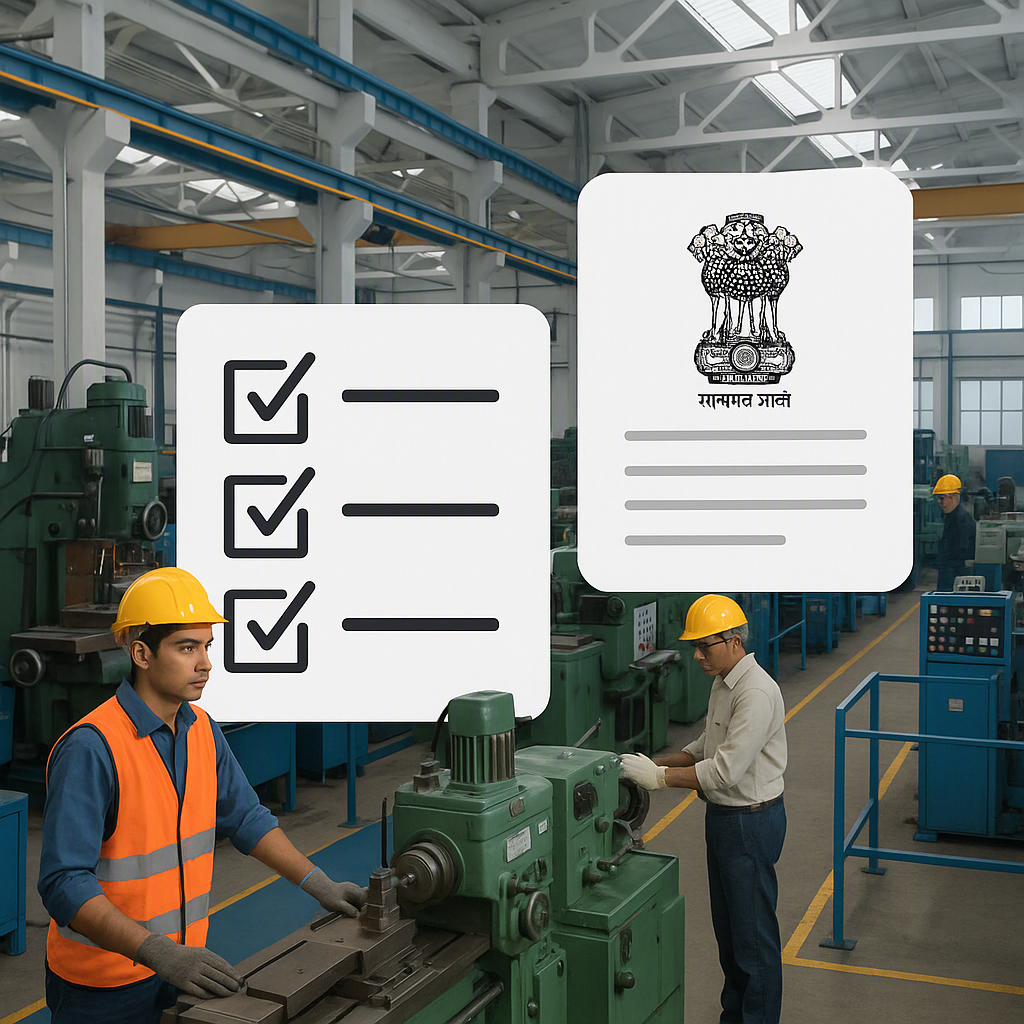
To determine eligibility, it’s a good idea to consult the Customs Manual provided by the CBIC. Keep a checklist of the specific goods you’ve imported and exported to ensure they align with the requirements.
2. Prepare the Necessary Documentation
The bulk of the headache comes from gathering and preparing the right paperwork. Here’s what you’ll need:
- Shipping Bill: This is the most critical document because it serves as proof of export. According to ICEGATE, the portal used for filing applications, the shipping bill must be error-free and match your export details exactly.
- Bill of Entry: A document that proves you’ve paid import duties on the raw materials.
- Export Invoice & Packing List: These show the value and details of the goods you’ve exported.
- Bank Realization Certificate (BRC): This proves you’ve received payment for the export. The Reserve Bank of India mandates banks to issue this document within 21 days of receiving export proceeds.
- Duty Drawback Declaration Form: This is where you formally request the refund.
Actionable Tip:
Keep both digital and physical copies of these documents. Use document management software to easily retrieve and organize them when needed.
3. File the Application Online
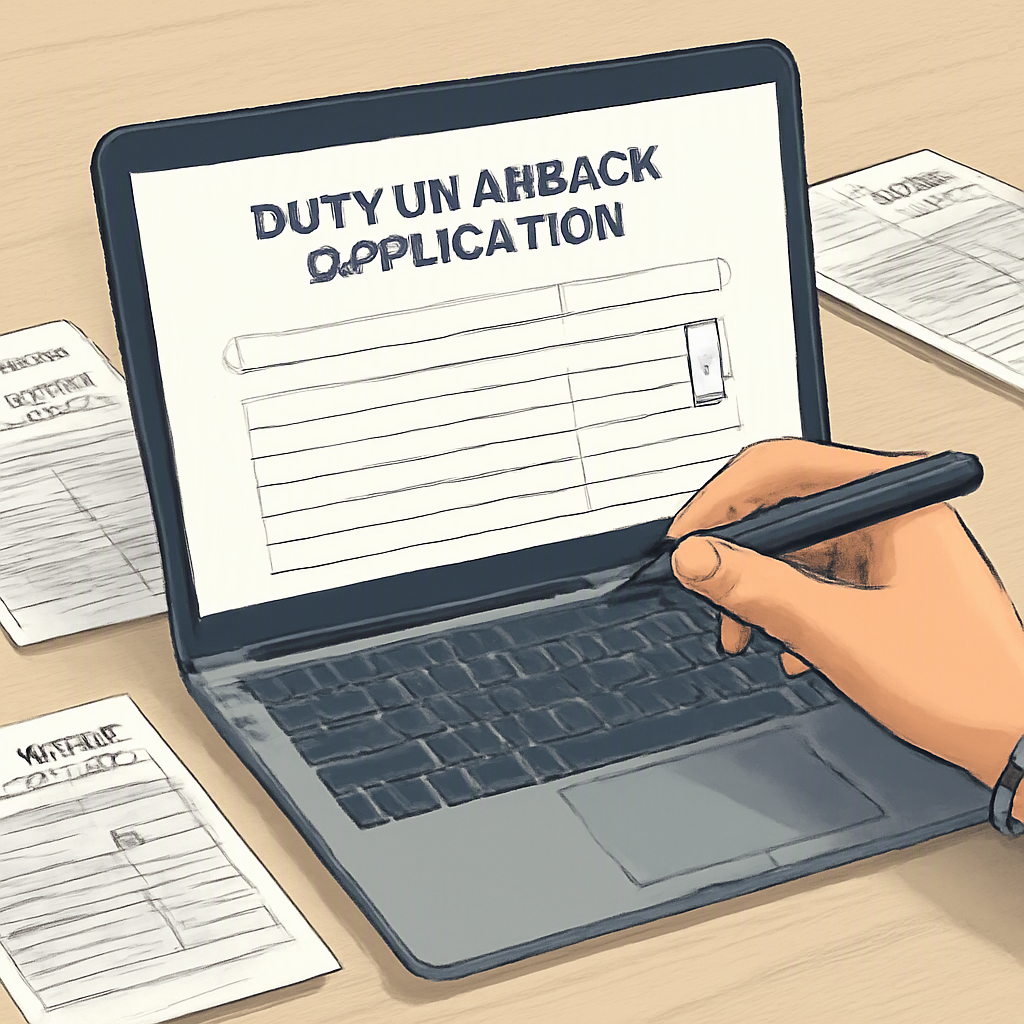
Gone are the days of trekking to customs offices with stacks of paper (thankfully). Now, you can file your application online via the ICEGATE portal. Here’s how:
- Register on ICEGATE: If you don’t already have an account, you’ll need to sign up at ICEGATE.
- Log In and Upload Documents: Once logged in, you can upload the required documents. Make sure they’re clear and error-free.
- Submit the Application: Fill in the online form with details like the shipping bill number, export date, and bank details. Hit submit.
Actionable Tip:
Before uploading, scan all your documents using a high-resolution scanner. Ensure that all text and seals are legible to avoid delays caused by unclear uploads.
4. Track Your Application Status
After submission, you can track the status of your application on the ICEGATE portal. If there are any issues, you’ll see notifications here. Resolve them quickly to avoid delays.
Actionable Tip:
Set a weekly reminder to check your application status. This ensures you catch and address issues promptly.
5. Respond to Queries Promptly
Don’t ignore any requests from customs for clarification or additional documents. Delayed responses can put your application in limbo.
Actionable Tip:
Assign a specific team member to monitor ICEGATE notifications. Create a system to respond to queries within 24 hours.
6. Claim Your Refund
Once approved, the refund amount will be credited directly to your bank account. Keep an eye on your account and reconcile the funds promptly. According to data from CBIC, refund processing typically takes 2-6 months depending on the complexity of the application.
Actionable Tip:
Cross-check the refund amount with your submitted application. If there’s a discrepancy, raise it with the customs department immediately.
Common Mistakes (and How to Avoid Them)
Even with a guide, mistakes happen. Here’s what to watch out for:
- Missing Deadlines: Remember, you’ve got only one year from the export date to file your claim. The CBIC has emphasized this in its guidelines, so set reminders.
- Inconsistent Data: Ensure the details in your shipping bill, invoice, and other documents match exactly. Even a small typo can cause rejection.
- Incomplete Documentation: Double-check that all required documents are uploaded. Missing paperwork is a common reason for delays.
- Not Following Up: If customs raises a query, respond immediately. The longer you wait, the longer your refund takes.
Comparison Table: All Industry Rate (AIR) vs Brand Rate Scheme
| Feature | All Industry Rate (AIR) | Brand Rate Scheme |
|---|---|---|
| Eligibility | Pre-fixed rates for specific goods | Custom rates for goods not covered by AIR |
| Documentation | Minimal, as rates are predefined | Extensive, requires proof of actual duty |
| Approval Timeframe | Faster due to standard rates | Longer, as calculation is case-specific |
| Flexibility | Limited to notified goods | Applicable to any exported goods |
| Best For | Common export items like textiles, leather | Niche or non-standard goods |
How SCPL Can Help You Navigate the Duty Drawback Process
If all this sounds like a lot, you’re right — it is. And that’s where we come in. At Subsidy4India, we specialize in helping businesses navigate complex government schemes and applications, including duty drawback claims.
Here’s how we make it easier:
- Eligibility Assessment: We’ll analyze your exports and imports to determine if you qualify for the duty drawback scheme.
- Document Preparation: Our team handles the tedious task of gathering and organizing all necessary paperwork.
- Application Filing: From filling out the form to uploading documents on ICEGATE, we’ve got you covered.
- Follow-Up Support: We’ll track your application and deal with any queries from customs on your behalf.
Why risk delays or rejection when you can have experts handle it? Let us help you →
Final Thoughts
Filing a duty drawback application doesn’t have to be a nightmare, but it does require attention to detail. If you’re feeling overwhelmed, you’re not alone. Many businesses struggle with the process, which is why we’re here to help.
At Subsidy4India, we’re experts in navigating government schemes like duty drawback, subsidies, and export incentives. Don’t leave money on the table — let us handle the hard part for you. Talk to our team today →