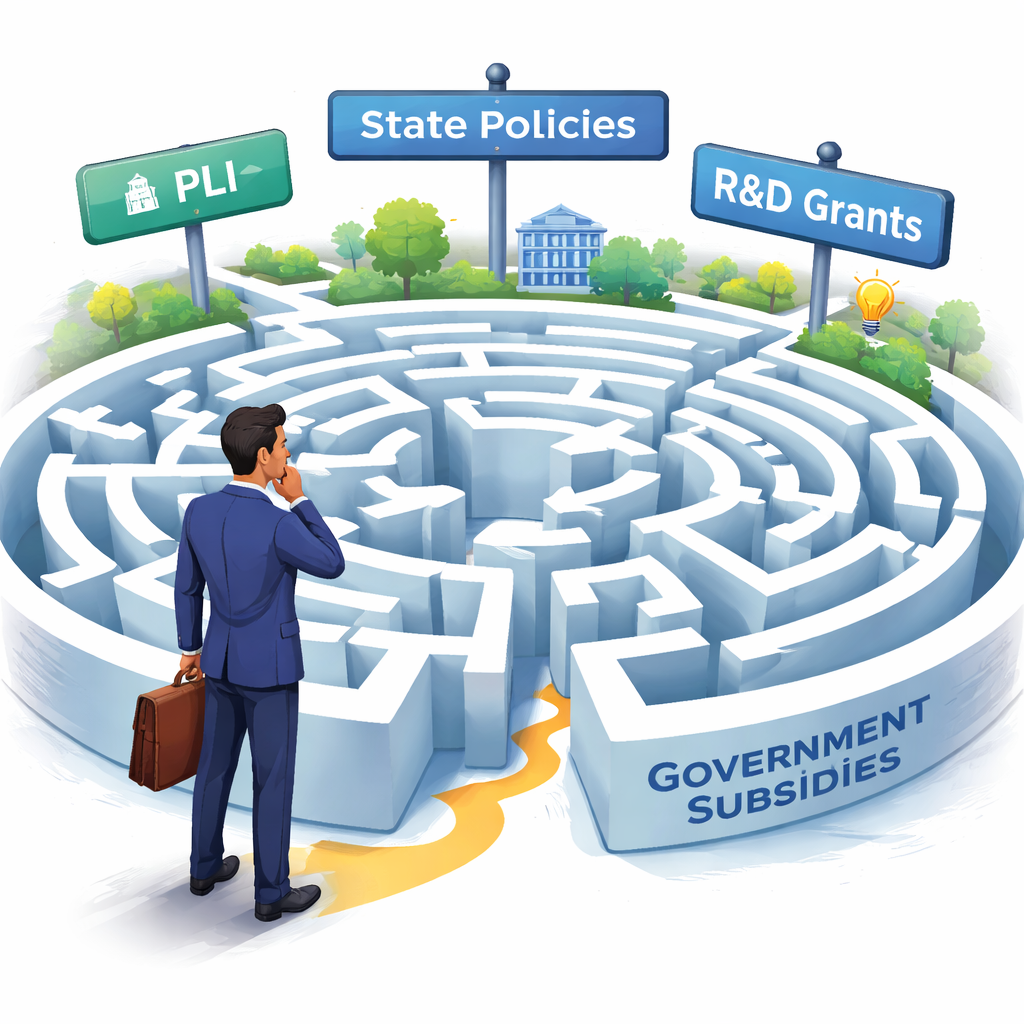

Why NABARD Subsidies Matter for Agri-Projects
If you're in the agribusiness space, you've probably heard about NABARD (National Bank for Agriculture and Rural Development). It’s a lifeline for farmers and agri-enterprises alike. But while most conversations focus on farmer-centric schemes, there’s a huge, often overlooked opportunity for businesses — particularly those in agri-processing, warehousing, and export-oriented projects.
Let’s be clear about one thing: NABARD subsidies are not free money. They’re reimbursements tied to your project’s actual capital expenditure. Whether it's building a cold storage unit or upgrading processing machinery, you need to show invoices, proofs of spend, and a viable business plan. No paperwork? No subsidy.
Here’s how you can unlock these benefits, maximize funding, and avoid the pitfalls most people fall into.
Eligibility Criteria for NABARD Subsidies
Not everyone qualifies for NABARD subsidies. The eligibility depends on your sector, project type, and location. Let’s break this down further:
1. Sector-Specific Eligibility
NABARD subsidies are aimed at projects that directly boost agricultural infrastructure and allied sectors. Examples include:
- Agriculture Infrastructure Projects: Cold storage units, warehouses, packhouses, grading and sorting units.
- Horticulture Projects: Greenhouses, protected cultivation (polyhouses), orchards, and post-harvest facilities.
- Dairy, Poultry, and Fisheries: Processing plants, feed mills, and infrastructure for aquaculture.
Each scheme has its own set of guidelines, so it’s important to select the right subsidy for your specific project. For instance, if you’re building a grading unit for fruits, you may qualify under horticulture-focused schemes but not under dairy-related ones.
2. Regional Considerations
Your project’s location plays a critical role. Subsidy percentages often vary by geography. For example:
- North Eastern States and Union Territories: These regions receive higher subsidy percentages to encourage development.
- Rural vs. Urban Areas: Many schemes prioritize rural areas over urban zones to promote rural employment and infrastructure growth.
3. Investment Thresholds
Many NABARD schemes require you to meet minimum investment or capacity thresholds. For example:
- Under the Rural Godown Scheme (Gramin Bhandaran Yojana), the godown must meet specific capacity (e.g., 100 MT or more) and cost benchmarks.
- Projects that fall short of these thresholds may not qualify, even if they align with the sectoral focus.
4. MSMEs vs. Large Enterprises
NABARD schemes often prioritize Micro, Small, and Medium Enterprises (MSMEs). Benefits for MSMEs include:
- Higher Subsidy Rates: MSMEs may receive a higher percentage of project costs as subsidies.
- Simpler Processes: Banks and NABARD often provide additional support to MSMEs during the application process.
Pro Tip: Conduct a pre-eligibility assessment. This can be done by consulting NABARD’s official website, reaching out to local NABARD offices, or hiring a consultant who specializes in subsidy applications. This ensures you don’t waste time pursuing a scheme you’re not eligible for.
Top NABARD Schemes for Agri-Businesses
NABARD offers a variety of schemes tailored to different agricultural and rural development needs. Below are some of the most impactful ones for businesses:
1. Rural Godown Scheme (Gramin Bhandaran Yojana)
- Who it’s for: Businesses looking to build or renovate storage facilities for agricultural produce.
- Key Benefits: Capital subsidy ranging from 25% to 33.33% of the project cost, depending on the location.
- Actionable Tip: Ensure your godown design complies with NABARD’s technical standards, including proper ventilation, moisture control, and capacity planning. Submit detailed architectural drawings and technical feasibility reports.
2. Agriculture Infrastructure Fund (AIF)
- Who it’s for: Enterprises setting up supply chain infrastructure such as warehouses, cold chains, and processing units.
- Key Benefits: Interest subvention up to 3% on loans and credit guarantees for eligible projects.
- Actionable Tip: Prepare a robust Detailed Project Report (DPR) that includes demand analysis, cost estimates, and ROI projections. Banks often reject applications lacking a comprehensive DPR.
3. Horticulture Subsidy Schemes
- Who it’s for: Agri-tech businesses, greenhouse operators, exporters, and those involved in precision farming.
- Key Benefits: Subsidies for adopting high-tech solutions like drip irrigation, fertigation systems, and tissue culture.
- Actionable Tip: Ensure your project incorporates sustainable practices, as schemes often prioritize eco-friendly initiatives.
4. Dairy Entrepreneurship Development Scheme (DEDS)
- Who it’s for: Dairy processors, cooperative societies, and individual entrepreneurs.
- Key Benefits: Subsidy on plant and machinery, including milk chilling units, bulk coolers, and storage tanks.
- Actionable Tip: Focus on value addition in dairy products. Projects that include pasteurization or cheese-making facilities may receive higher priority.
How to Stack NABARD Subsidies with State and Central Schemes
One of the most overlooked strategies is combining NABARD subsidies with other funding sources. Here’s how you can do it:
1. Central + State Combo
Pair NABARD’s schemes with state-level initiatives to maximize benefits. For example:
- Combine the Rural Godown Scheme with state SGST refund policies for capital investments. States like Gujarat and Maharashtra offer SGST reimbursements for infrastructure projects.
2. Central + NABARD
Leverage the Central government’s incentives along with NABARD’s subsidies. For instance:
- Pair NABARD’s Agriculture Infrastructure Fund with the PLI (Production-Linked Incentive) scheme for food processing industries.
3. How to Map Combinations
- Use publicly available scheme guidelines to identify compatibility.
- Consult your local NABARD office or a financial advisor to confirm whether the schemes can be stacked.
Preparing a Strong NABARD Subsidy Application
A strong application can make or break your chances of securing a subsidy. Here’s a step-by-step guide:
1. Detailed Project Report (DPR)
- Include market analysis, financial projections, and project timelines.
- Provide technical specifications, such as machinery requirements, construction details, and expected outputs.
2. Proof of Land and Investment
- Demonstrate ownership or lease agreements for the project site.
- Attach invoices for any machinery or construction costs already incurred.
3. Compliance Documents
- Keep your GST registration, PAN, and licenses ready.
- Partnerships should include their partnership deeds.
4. Timely Submission
- Track deadlines for each scheme. Late submissions are a common reason for rejection.
Navigating Post-Sanction Compliance and Disbursement
Securing approval is just the beginning. Post-sanction processes are equally important:
1. Utilization Certificates (UCs)
- Submit UCs to verify that funds are being utilized as per the approved project plan.
2. Periodic Reporting
- Some schemes require regular updates to NABARD or your lending bank. Ensure you have a system in place to track project milestones.
3. Cash Flow Planning
- Subsidy disbursements often happen in tranches. Ensure you have sufficient liquidity to manage interim expenses.
Common Mistakes to Avoid
-
Ignoring Scheme Guidelines:
- Each scheme has unique technical and financial criteria. Read the fine print.
-
Underestimating Documentation:
- Missing even one document can delay or derail your application.
-
Skipping Professional Help:
- If the process seems overwhelming, hire consultants who specialize in NABARD subsidies.
FAQ Section
1. Can I apply for multiple NABARD subsidies for the same project?
Yes, you can, provided the schemes are compatible and allow stacking. For example, you could combine the Rural Godown Scheme with a state-level subsidy for agricultural infrastructure.
2. How long does it take to receive a subsidy?
The timeline varies by scheme and project complexity. While some disbursements occur within 6-12 months, others may take longer due to compliance checks and documentation requirements.
3. Do I need a bank loan to qualify for NABARD subsidies?
Most schemes require you to route your application through a bank or financial institution. A bank loan is often a prerequisite to demonstrate financial discipline and project viability.
4. What happens if my project gets delayed?
Delays can lead to penalties or even cancellation of your subsidy. Submit progress reports to NABARD and your lending bank to avoid complications.
5. What types of businesses are ineligible for NABARD subsidies?
Non-agricultural businesses, speculative real estate projects, and ventures without clear rural development benefits typically do not qualify.
Comparison Table: NABARD Schemes
| Scheme | Target Audience | Key Benefits | Additional Requirements |
|---|---|---|---|
| Rural Godown Scheme | Storage facility projects | 25%-33.33% subsidy on project costs | Compliance with technical standards |
| Agriculture Infrastructure Fund | Supply chain businesses | 3% interest subvention, credit guarantee | Detailed Project Report (DPR) is critical |
| Horticulture Subsidy Schemes | Agri-tech, greenhouse ops | Subsidies for high-tech farming solutions | Focus on sustainability |
| Dairy Entrepreneurship Scheme | Dairy processors | Subsidies for equipment and infrastructure | Value addition improves approval chances |
Conclusion: Why NABARD Subsidies Are Worth the Effort
Yes, claiming NABARD subsidies is a lot of work. But for businesses willing to invest the time and effort, the rewards can be transformative. Whether it’s cutting project costs or unlocking low-cost financing, these schemes can significantly boost your bottom line.
By understanding eligibility, preparing a strong application, and leveraging multiple funding sources, you can maximize the benefits of NABARD subsidies for your agri-projects. Don’t leave money on the table — take the time to explore your options and make the most of these opportunities.