
Steps to Prepare a Subsidy Application in India: A Detailed Guide for Businesses
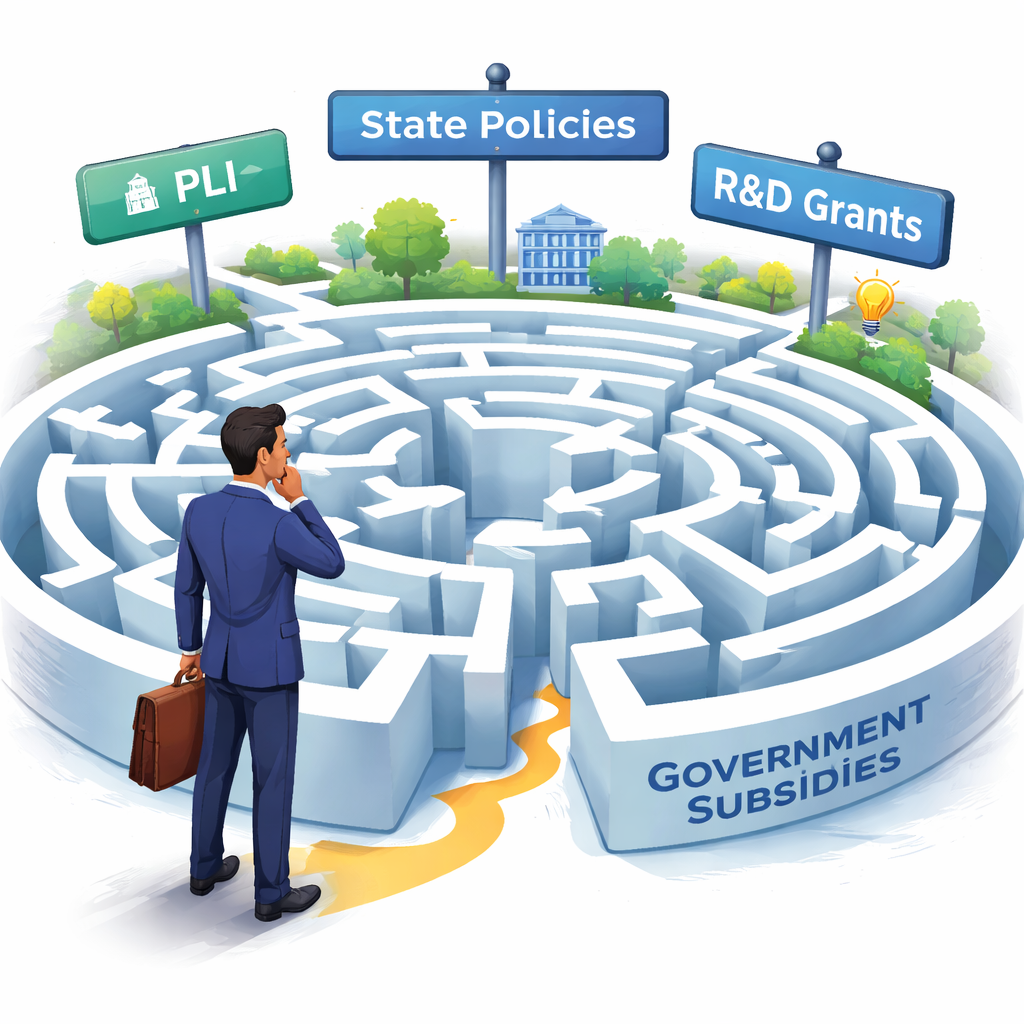
I used to think that applying for a government subsidy in India was straightforward. You fill out some forms, submit them, and wait for the funds to roll in. Simple, right? Not quite. The reality is far more complex, especially when you’re dealing with a labyrinth of Central and State schemes, each with their own requirements and deadlines.
The Turning Point
The moment of realization came when a colleague shared his experience with the PLI scheme for electronics manufacturing. He followed the steps I had always advocated: downloaded the guidelines, filled out the forms, and submitted them on time. Yet, his application was rejected. Turns out, he missed a crucial compliance requirement, buried deep in the fine print.
Why the Old Belief Persisted
Why did I hold on to this simplistic view for so long? Because, like many, I underestimated the complexity of the process. I thought knowing the eligibility criteria and filling out forms was enough. But the devil truly is in the details. The landscape of subsidies is ever-changing, and keeping up with the nuances of each scheme is daunting.
What I Do Differently Now
Now, I advocate for a more structured approach, starting with a thorough eligibility assessment. This isn't just ticking boxes. It's about understanding the intricate requirements of each scheme and how they interact with one another. For example, some schemes can be stacked to maximize benefits, but you need to know which ones and how to structure your application accordingly.
Step 1: Start with Eligibility (Don't Skip This!)
Before diving into the application process, assess your eligibility. This involves understanding the specific requirements of both Central and State schemes. Use available resources like SCPL's eligibility tools to get a clear picture of what your project qualifies for. Remember, eligibility isn't just about your business type; it includes location, investment size, and sector-specific criteria.
Actionable Steps:
- Research Thoroughly: Begin by identifying all relevant schemes. Make use of online portals and government publications.
- Consult With Experts: Engage with consultants who specialize in government subsidies to guide you through eligibility nuances.
- Regular Updates: Keep track of changes in scheme guidelines, as these are updated frequently.
Step 2: Preparing the Required Documents
Once eligibility is clear, focus on documentation. You'll need a Detailed Project Report (DPR), financial statements, and a clear project cost breakdown. Ensure your DPR is tailored to the subsidy guidelines, as a generic report won't suffice. Highlight how the subsidy will be utilized and how it aligns with the scheme's objectives. Source: Project Report Preparation.
Actionable Steps:
- Tailor Your DPR: Customize your Detailed Project Report to reflect the specific requirements of the subsidy.
- Financial Accuracy: Ensure all financial documents are up-to-date and accurate to prevent discrepancies.
- Professional Assistance: Employ professionals for document preparation if necessary to ensure compliance and precision.
Step 3: Filing the Application
Filing isn't just pressing 'submit'. It involves meticulous checking for completeness and accuracy. Common pitfalls include missed deadlines and incorrect details. Use government portals like the SPECS portal for electronics or consult with experts to ensure every box is ticked and all requirements are met. Keep track of deadlines—these can be as critical as the application content itself.
Actionable Steps:
- Create a Checklist: Develop a comprehensive checklist to ensure all documents and forms are complete.
- Double-Check Entries: Verify all entries on the application for accuracy before submission.
- Deadline Alerts: Set reminders for all deadlines to avoid late submissions.
Step 4: Combining Central and State Schemes
Combining schemes can maximize benefits. For instance, a manufacturing unit might benefit from both Central PLI and State industrial policies. However, the key is understanding the rules of each scheme and how they can be layered. Research and consult with experts to gain insights into these combinations.
Decision Framework:
| Aspect | Central Scheme | State Scheme | Combined Approach |
|---|---|---|---|
| Eligibility | National criteria | Localized criteria | Meet both sets of criteria |
| Benefits | Broader support | Regional incentives | Enhanced financial aid |
| Compliance | National regulations | State regulations | Adhere to both standards |
Step 5: Post-Sanction Compliance and Disbursement
After your application is approved, compliance doesn't end. You'll need to submit utilization certificates, disbursement claims, and periodic reports to ensure the funds are released. This stage is often overlooked, leading to delays or even cancellations of subsidies. Stay organized and maintain clear records to navigate this phase smoothly.
Actionable Steps:
- Maintain Records: Keep detailed records of all correspondence and submissions.
- Regular Reporting: Submit periodic reports as required by the scheme.
- Utilization Certificates: Ensure timely submission of utilization certificates to avoid disbursement issues.
What Being Wrong Cost
My initial misunderstanding cost time and credibility. It taught me that in the world of subsidies, assumptions are costly. I’m still learning, especially about the nuances of scheme stacking and the evolving compliance landscape. This guide is a culmination of those lessons—aiming to help you avoid the pitfalls I stumbled into.
FAQs
-
What are the common reasons for subsidy application rejection?
- Incomplete documentation, missed deadlines, and non-compliance with scheme-specific requirements.
-
Can I apply for multiple subsidies simultaneously?
- Yes, if the schemes allow stacking. However, ensure compliance with the rules of each.
-
How can I ensure my application is complete?
- Use checklists and consult experts to verify that all requirements are met before submission.
-
What happens after my application is approved?
- Post-approval involves compliance, disbursement claims, and regular reporting to the relevant authorities.
-
How do I keep up with changes in subsidy schemes?
- Regularly check official government portals and subscribe to updates from reliable sources.
If you're dealing with the complex subsidy landscape in India, Subsidy4India can help guide you through the process with expert advice and support.