I Used to Think the PLI Scheme Was Simple
When the Production Linked Incentive (PLI) scheme first launched, I thought it was a no-brainer for Indian businesses. The government was practically handing out money to companies that could meet certain criteria. Why wouldn’t everyone apply? If you were in manufacturing or in a priority sector like electronics or pharmaceuticals, it seemed like an easy win.
You just had to prove you could scale your output or increase your local sourcing, and the government would swoop in with subsidies. Right?
That’s what I told clients back then. Apply for PLI, get your incentives, grow your business. Simple, right? Well, not quite.
What Changed My Mind
Here’s the moment it shifted for me. In 2021, we worked with a mid-sized electronics manufacturer in Pune. They had read about the PLI scheme in the news and were excited about the potential windfall. They had ambitious plans to double their production capacity and saw PLI as the perfect way to fund it.
We helped them prepare their application, which included detailed project reports, financial forecasts, and compliance documentation. Months went by. The application was reviewed, revised, and reviewed again. Then came the verdict: rejected.
Why? Despite meeting the output criteria, their application didn’t align with some of the finer points of the scheme’s eligibility requirements. It wasn’t just that they missed a deadline or forgot a document — though that happens more often than you’d think — but they had fundamentally misunderstood how “incremental sales” would be calculated. That was the kicker.
Breaking Down the Learning Curve
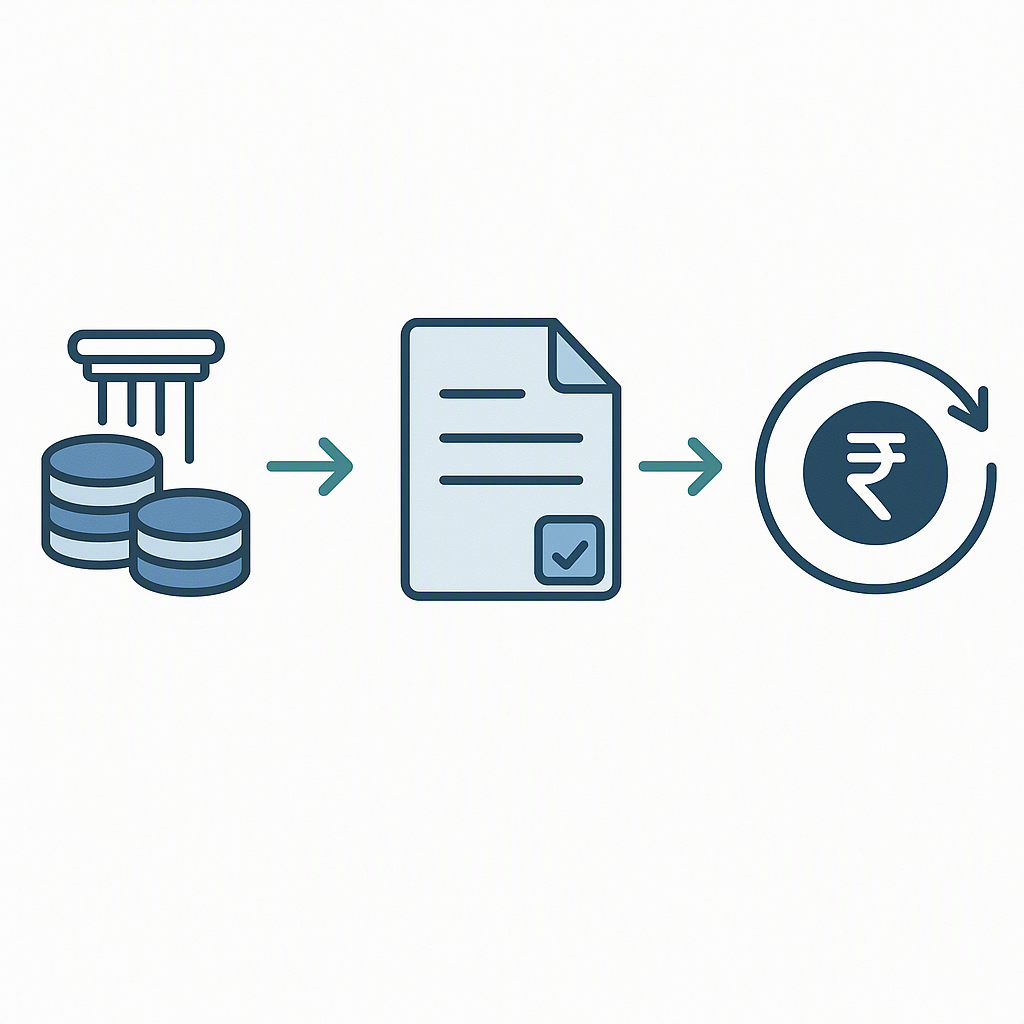
What I realized was that the process wasn’t just about fulfilling broad criteria like scaling production or increasing local sourcing. The government uses specific metrics, like incremental sales, calculated using baseline data that must be meticulously documented. That means you’re working with numbers that need to be verified and defensible.
For example, incremental sales don’t just mean year-over-year growth in revenue. It’s calculated based on the value addition you bring to the table, factoring in elements like local sourcing, labor costs, and eligible investments. Misinterpreting this calculation was why the Pune manufacturer’s application fell apart.
Why I Believed It Was Simple — And Why Many Still Do
Looking back, I get why I thought the PLI scheme would be straightforward. The government’s messaging was optimistic and clear: invest more, produce more, and we’ll reward you. The headlines were tempting, quoting numbers like ₹1.97 lakh crore in incentives across 14 sectors. It sounded like a field day for Indian enterprises.
The Reality of PLI Across Sectors
But here’s the thing: the devil is in the details. And the details? They’re not easy to navigate. PLI isn’t a one-size-fits-all program. Each sector has unique requirements and metrics.
Here’s a breakdown of how requirements differ across sectors:
| Sector | Key Eligibility Criteria | Challenges |
|---|---|---|
| Electronics | Minimum investment threshold; specific value-addition norms | High upfront investment costs |
| Pharmaceuticals | Compliance with stringent quality and safety regulations | Lengthy approval processes |
| Textiles | Focus on specific product lines like MMF apparel | Narrow scope; limited applicability |
| Automobile | Investment in advanced automotive technologies | High R&D costs; slow market adoption |
| Telecom | Development of core telecom equipment | Competitive global market, strict benchmarks |
| Food Processing | Focus on ready-to-eat and packaged food categories | Supply chain complexities and perishability |
The complexity doesn’t stop there. There are overlapping benefits from Central and State schemes. Can you combine them? Sometimes. But the answer depends on your sector, geography, and the specific policies in place. And the application process? Let’s just say it’s not designed for speed.
Why Misperceptions Persist
So why do so many businesses still think it’s easy? Because the headlines never tell you about the rejections, the missed deadlines, or the exhausting back-and-forth with government departments. They just showcase the success stories. Articles highlight companies bagging crores in subsidies but rarely delve into the painstaking process it took to get there.
What I Do Differently Now
After that experience, I stopped assuming the PLI scheme was a straightforward process. Now, I approach it like a puzzle.
Steps to Navigate the PLI Scheme Successfully
Step 1: Analyze Sector-Specific Guidelines
First, dive deep into the official guidelines. Every sector’s PLI scheme has its own set of rules, and they’re not always easy to interpret. For example, take the electronics manufacturing scheme. It requires a minimum investment threshold and specific value-addition criteria. These aren’t just numbers you can pull out of thin air; they need to be backed by solid plans and evidence.
Step 2: Treat PLI as a Reimbursement, Not a Grant
I’m upfront with clients about what PLI really is: a reimbursement. It’s not a grant. The government isn’t going to give you a bag of cash just because you’ve got a great idea. You have to spend money first — on plant, machinery, land, or other eligible investments. Then, you have to prove you spent it correctly. This requires meticulous record-keeping and financial transparency.
Step 3: Leverage State-Level Schemes
I focus on stacking. Many businesses forget that you can combine PLI with state-level schemes. For instance, Maharashtra’s industrial policy offers capital subsidies and SGST refunds for manufacturing units in less-developed regions. If you’re setting up in Aurangabad, you can potentially claim both PLI incentives and state benefits. But the structuring has to be right. Otherwise, you risk losing one or both.
Step 4: Monitor Critical Deadlines
Many PLI schemes have fixed application windows. Miss one, and you’re out. No exceptions. We’ve set up a system to monitor these dates so our clients don’t miss their chance. A simple shared calendar or project management tool can make all the difference.
What I’m Still Not Sure About
Even now, I’m cautious when it comes to PLI. The biggest challenge? The unpredictability. Government policies can change, and even well-prepared applications can be delayed or denied.
Challenges That Remain
- Policy Uncertainty: Government schemes often evolve, and businesses must keep track of each change. This can be overwhelming for smaller organizations.
- Long Approval Times: Delays in processing applications can disrupt business plans and cash flow.
- Sustainability Concerns: Is PLI just a short-term boost, or can it lead to long-term growth for Indian manufacturing? Success stories are great, but for every company that benefits, there are others that struggle to get through the red tape.
Common Mistakes to Avoid
- Overlooking Eligibility Criteria: Just because your business is in a priority sector doesn’t mean you automatically qualify. Read the fine print.
- Underestimating Documentation Needs: PLI applications are document-heavy. Missing even one can derail your application.
- Ignoring State Schemes: Don’t leave money on the table. Look at how you can combine Central and State incentives.
- Rushing the Application: This isn’t a race. Take the time to ensure your project reports and financials align with scheme requirements.
- Missing Deadlines: Set reminders. Assign responsibility. Do whatever it takes to submit on time.
If You’re Thinking About PLI, Here’s the Bottom Line
The PLI scheme has real potential, but it’s not a magic wand. It’s a tool, and like any tool, it works best in skilled hands. If you’re unsure about your eligibility or how to navigate the process, don’t go it alone. Subsidy4India specializes in making sense of complicated schemes like PLI. With over 18 years of experience, we’ve seen it all — the wins, the losses, and the lessons. Let’s get started.