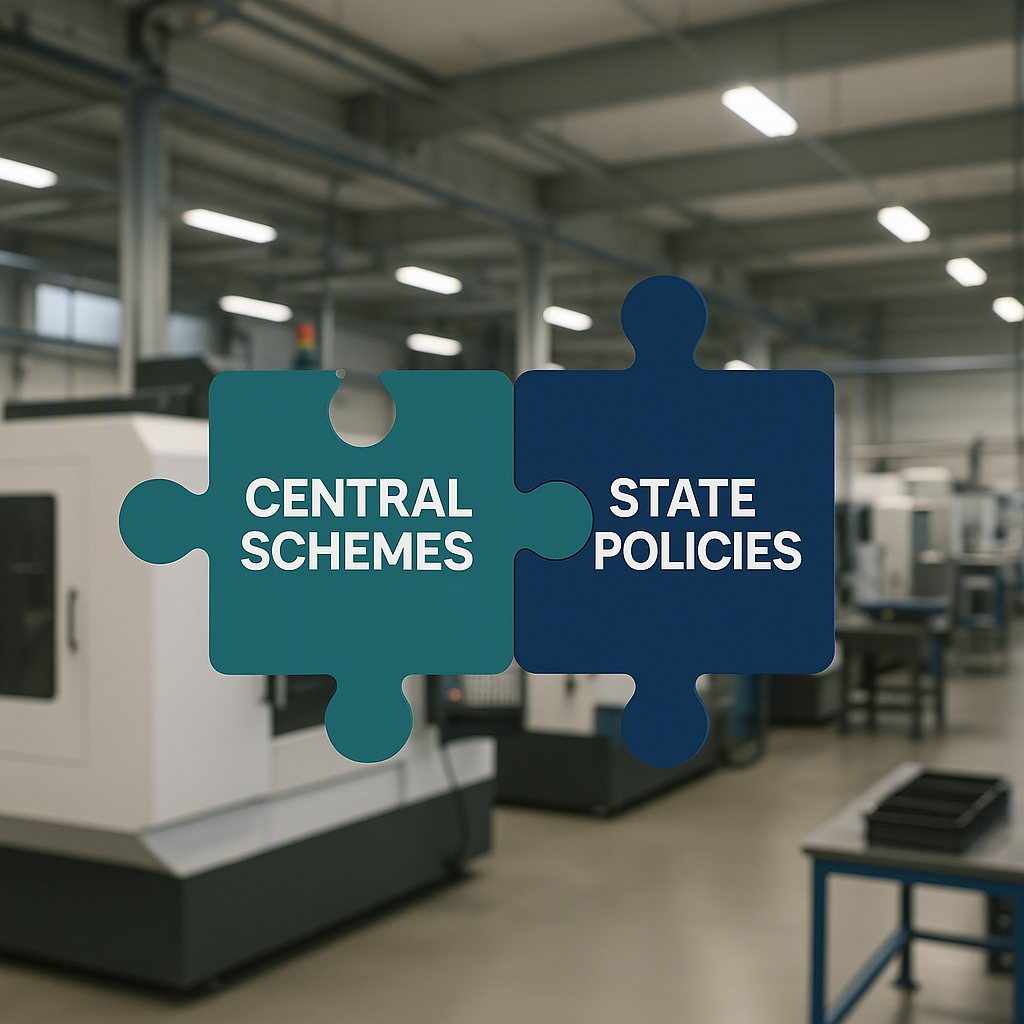

Understanding the Complexity of India's Incentive Policies
Once upon a time, I believed that navigating India's incentive policies was straightforward. You'd find a scheme, apply, and wait for approval. Simple, right? Not quite. The ever-shifting landscape of central and state schemes made it clear that staying updated was more crucial than I initially realized.
The turning point came when I stumbled upon a Government Incentives guide. It outlined how incentive policies change frequently, requiring businesses to adapt quickly. Missing an update could mean losing out on significant subsidies. That's when I realized my approach was outdated.
Why the Old Approach Doesn't Work
The belief that you could apply once and be set for a while persisted because it seemed logical. However, incentive policies are not static. They evolve based on economic needs, industry developments, and government priorities. For example, during economic downturns, governments might introduce new subsidies to stimulate growth, while in booming economies, they might tighten criteria.
Understanding the Dynamics:
- Economic Needs: Policies may shift to address immediate economic challenges. For instance, during an economic slump, incentives might target sectors that can generate quick employment.
- Industry Developments: Technological advancements or industry-specific needs can lead to the introduction of new incentives, especially in sectors like IT or manufacturing.
- Government Priorities: Changes in government can lead to a complete overhaul of incentive structures, aligning with their developmental goals.
How to Stay Updated
So, what do I do differently now? I use a combination of technology and advisory services to keep track of policy changes. Online portals like Startup India Scheme provide real-time updates on new schemes and incentives. Additionally, services like Grant Thornton Bharat help map out applicable incentives, ensuring businesses don't miss a beat.
Actionable Steps to Stay Informed:
- Subscribe to Updates: Use platforms that offer newsletters or alerts about policy changes. This ensures that you receive timely information directly in your inbox.
- Engage with Advisory Services: Partner with firms that specialize in government incentives to receive tailored advice. Advisors can interpret complex policy language and offer insights specific to your business needs.
- Leverage Technology: Utilize apps and online tools that track changes in real-time, ensuring you don't miss crucial updates. These tools often provide notifications and summaries that simplify the decision-making process.
Adapting to Policy Changes
Staying informed is crucial, but how do businesses adapt to these changes? It's about aligning strategies with current policies. For instance, if a new tax incentive becomes available, businesses should adjust their financial planning to leverage this benefit. This proactive approach can be the difference between thriving and merely surviving.
Key Strategies for Adapting:
- Financial Planning: Re-evaluate your financial strategies to incorporate new incentives. This might involve restructuring budgets or reallocating resources to take advantage of tax breaks.
- Sector-Specific Strategies: Understand how different schemes impact your industry to fine-tune your approach. For example, manufacturing sectors might focus on local production if relevant incentives are available.
- Consultation with Experts: Regularly consult with experts to ensure alignment with the latest policies. Expert guidance can offer strategic insights that are not immediately obvious.
Sector-Specific Impacts
Different industries face unique challenges and opportunities. For instance, the electronics sector might benefit from specific Production Linked Incentive (PLI) schemes aimed at boosting manufacturing. Understanding these nuances helps in crafting tailored strategies.
Decision Framework for Sector-Specific Incentives:
| Industry | Potential Incentives | Recommended Actions |
|---|---|---|
| Electronics | PLI schemes | Increase local manufacturing efforts |
| Renewable Energy | Subsidies for green tech adoption | Invest in sustainable technologies |
| Textiles | Export incentives | Expand into international markets |
What Did Being Wrong Cost Me?
Perhaps opportunities I didn't even know I missed. The uncertainty remains in how quickly these policies can change and the complexity involved in understanding them fully. It's a reminder that the cost of ignorance can be high.
Seeking Assistance
If navigating India's incentive policies feels overwhelming, Subsidy4India can help. Their expertise ensures you stay informed and ready to maximize available benefits.
Conclusion
Navigating the complexities of India's incentive policies requires a proactive approach and a keen understanding of the ever-changing landscape. By staying informed, adapting strategies, and seeking expert guidance, businesses can effectively leverage available incentives to drive growth. Addressing these aspects can position a business not just to survive, but to thrive in a competitive market.