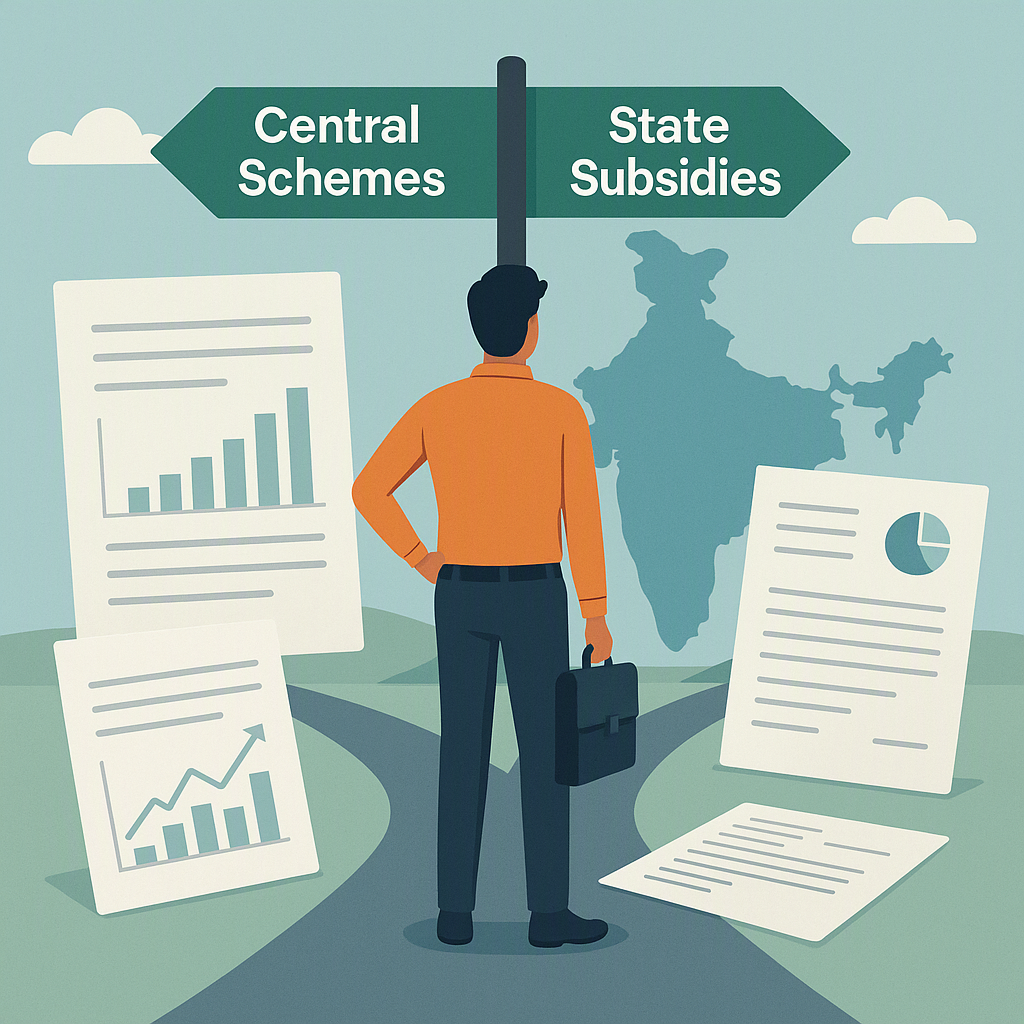

Navigating India’s Subsidy Landscape: A Practical Guide for Manufacturers
India’s subsidy landscape is a labyrinth that manufacturers must navigate with caution and strategic foresight. While the internet brims with guides and documents, the process involves more than just paperwork. It's about understanding policy intricacies and acting strategically to maximize benefits.
Understanding PLI Schemes
A report from the Ministry of Commerce & Industry highlights the complexities of the Production Linked Incentive (PLI) schemes. These schemes target key sectors with specific eligibility criteria and compliance requirements. This underscores a crucial point: success relies on more than just timely form submissions. Manufacturers must grasp the nuances of policy details and timing.
Actionable Steps:
- Identify Relevant Schemes: Begin by pinpointing which PLI schemes apply to your sector. Regularly check updates from the Ministry of Commerce & Industry. This ensures that you are aware of any changes or new opportunities that may arise.
- Understand Eligibility: Dive into the eligibility criteria for each scheme. Pay attention to sector-specific requirements and compliance mandates. This involves a detailed review of the policy documents and possibly consulting with sector experts to fully comprehend the requirements.
- Maintain Timelines: Keep a calendar of important dates. Submission deadlines and compliance reporting dates are critical. Use tools like Google Calendar or project management software to set reminders and allocate tasks.
Staying Updated in a Dynamic Environment
The subsidy landscape is fluid. New schemes emerge, existing ones evolve, and some are retired. This constant change necessitates a strategic approach to effectively identify and combine eligible schemes.
Methods to Stay Informed:
- Subscribe to Official Newsletters: Government announcements often provide the latest updates. This is a direct source of information that can be crucial for timely applications.
- Attend Industry Conferences: These events are excellent for networking and receiving first-hand information on policy changes. Engaging with peers and experts can provide insights that are not readily available online.
- Engage with Trade Associations: Associations can provide insights and advocacy for policy adjustments. They often have dedicated resources for tracking policy changes and can alert members to opportunities.
Evaluating Subsidy Consultants
When choosing a subsidy consultant, focus on their ability to navigate both Central and State subsidy schemes. This includes capital subsidies, interest subventions, and state industrial policies.
Critical Evaluation Factors:
- Mapping Capability: How well can the consultant map applicable subsidy schemes? A good consultant should have a systematic approach to identifying and prioritizing schemes that offer the most benefits.
- End-to-End Service: Do they offer comprehensive services, including project report preparation and liaison with government agencies? This can save a significant amount of time and reduce the administrative burden on your team.
- Track Record: Review their past success in securing subsidies for similar projects. Ask for references and case studies to verify their claims.
Navigating Independently vs. With a Consultant
Handling subsidies independently is daunting, but even with a consultant, challenges persist. Compliance post-sanction is particularly tricky. Consultants provide ongoing support, assisting with utilization certificates, disbursement claims, and periodic reporting.
Compliance Strategy:
- Document Management: Maintain accurate records of all applications and communications. This includes all correspondence with government bodies and consultants.
- Regular Compliance Checks: Schedule periodic reviews to ensure all compliance requirements are being met. This can prevent issues during audits or when claiming disbursements.
The Cost of Mistakes
Getting it wrong can mean missing out on substantial financial incentives. Scheme stacking, which involves combining multiple subsidies for maximum benefit, is complex. Without expert advice, compatible schemes might be missed.
Avoiding Pitfalls:
- Comprehensive Eligibility Assessments: Ensure thorough assessments to identify all possible subsidies. This might involve consulting with experts or using specialized software tools.
- Consultation on Scheme Stacking: Work with experts to understand the financial impact of combining schemes. They can offer insights into potential conflicts or synergies between different subsidies.
Decision Framework for Engaging Consultants
| Factor | Consideration |
|---|---|
| Mapping Capability | Ability to identify relevant schemes for your sector |
| Service Scope | End-to-end application and compliance support |
| Industry Experience | Prior success in similar projects |
| Cost vs. Benefit | Potential financial gains from secured subsidies |
Final Thoughts
Navigating India’s subsidy maze requires expertise and strategic planning. Specialized consultants can offer valuable guidance, helping manufacturers to identify and secure the right subsidies for their projects. By engaging with knowledgeable consultants, manufacturers can ensure detailed eligibility assessments and effective scheme matching, paving the way for substantial financial benefits.
Keep in mind that the landscape is constantly evolving, and staying informed is key to leveraging available opportunities efficiently. Strategic navigation and expert advice are crucial for maximizing benefits and avoiding costly mistakes. Regular engagement with industry peers and continuous learning can significantly enhance your ability to make informed decisions.